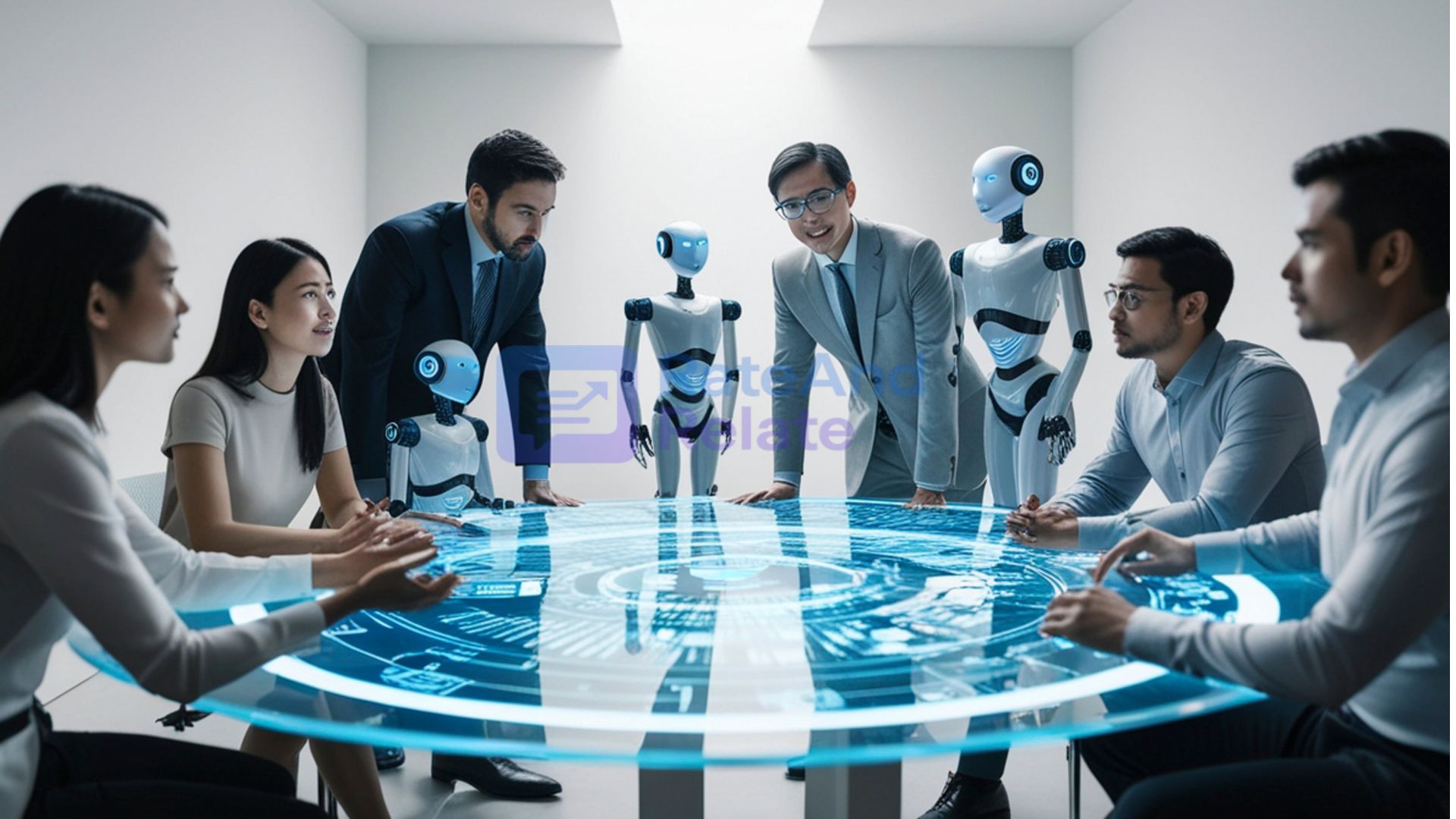

Artificial Intelligence is no longer a futuristic add-on in marketing — it has become the core engine driving how brands understand consumers, create content, optimise campaigns, and measure outcomes. What started as simple automation has matured into a full-scale transformation of the marketing and advertising ecosystem. In 2025, AI is not just an advantage; it is the foundation of modern marketing.
1. The Rise of Predictive, Always-On Marketing
Consumers today expect hyper-personalized experiences: offers that match their interests, content tailored to their behaviour, and interactions that feel human.
AI makes this possible through:
- Predictive analytics that forecast purchase behaviour
- Real-time segmentation that updates as users browse
- Dynamic content generation that adapts to customer moods, locations, or past interactions
Instead of generic messaging, brands are now delivering experiences unique to every individual — at massive scale and with minimal manual effort.
2. Creative Production Is Being Rewritten
The traditional creative cycle — brainstorming, designing, testing — is too slow for today’s real-time digital world. AI tools now supply:
- Instant creative variations
- Automated video editing
- Voiceovers, jingles, and visual design generated in minutes
- AI-powered A/B testing with real-time performance prediction
This has turned creative teams into strategic directors, while AI handles execution and iteration. Creativity has not been replaced — it has been amplified.
3. New Advertising Models: Beyond Keyword Targeting
AI is reshaping how ads are delivered and optimized:
- Keyword-less ad targeting using behavioural signals
- AI-driven media planning that allocates budgets automatically
- Predictive bidding models for maximum ROI
- Visual and voice search optimization
Platforms like Google, Meta, Amazon, and emerging AI-native ad networks are shifting from manual campaign setups to systems where the marketer’s main job is guiding AI, not micromanaging it.
4. AI Builds Better Customer Journeys
From chatbots to recommendation engines, AI is creating seamless, intuitive customer touchpoints:
- Smart chat assistants resolve queries instantly
- Recommendation engines boost retention and conversions
- AI-powered email flows increase personalization
- Social listening tools monitor brand sentiment 24/7
The result is a continuous feedback loop where brands learn from user behaviour and evolve without human intervention.
5. The New Skillset for Marketers
As AI takes over repetitive tasks, marketers must evolve into:
- Strategists who read insights and shape narratives
- Data storytellers who interpret models instead of spreadsheets
- Tech-savvy creators who collaborate with AI tools
- Experimenters who tweak prompts and refine outputs
The future marketer is not a coder — but someone who knows how to guide AI to deliver smart, impactful work.
6. Ethical AI: A Growing Priority
With great automation comes great responsibility:
- Data privacy
- Algorithmic transparency
- Bias and fairness
- Responsible content generation
Brands are expected to treat AI not as a shortcut, but as a trustworthy partner in building meaningful customer relationships.
AI Is the New Marketing Infrastructure
From creative production to campaign optimisation and customer experience, AI is now cemented as the backbone of modern marketing. Instead of replacing humans, it empowers them — allowing marketers to focus on ideas, strategy, and innovation while AI handles the complexity and scale.
The brands that grow the fastest in 2025 and beyond will be the ones that embrace AI not as a tool, but as a core marketing infrastructure.