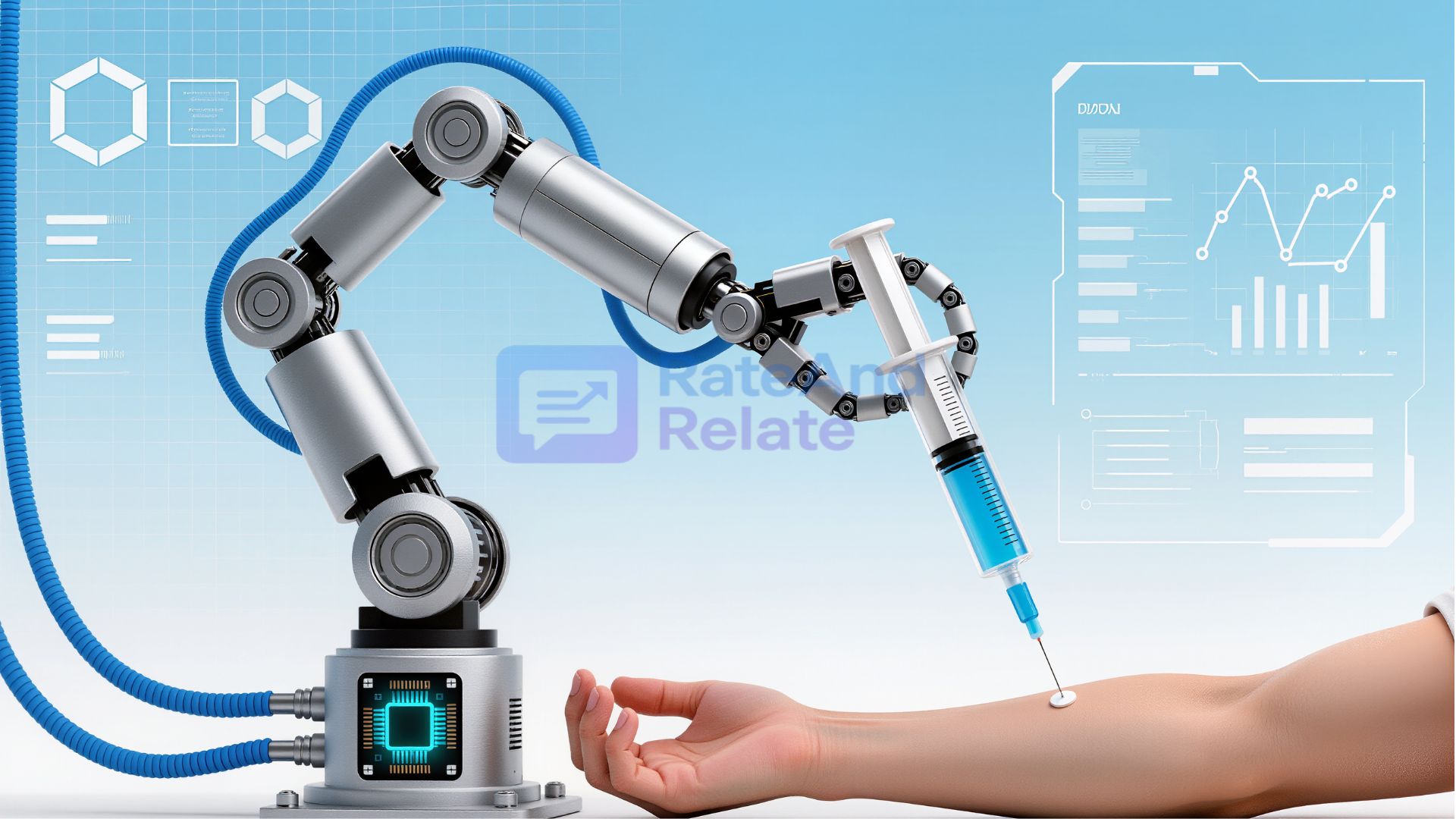

The healthcare sector is undergoing one of the most significant technological revolutions in its history. At the heart of this transformation lies Artificial Intelligence (AI)—a force that is reshaping diagnostics, treatment planning, patient monitoring, and even medical research. Recent advancements in AI-driven diagnostics and next-generation medical tools signal a shift toward faster, more accurate, and more accessible healthcare worldwide.
The Rise of AI-Powered Diagnostics
AI has moved far beyond simple pattern recognition. Today’s AI systems can analyze medical imaging, pathology slides, genetic data, biomarkers, voice samples, and even patient histories to make precise clinical predictions.
1. Medical Imaging Breakthroughs
Modern AI models can scan X-rays, MRIs, CT scans, and ultrasounds with remarkable accuracy.
They can:
- Detect early-stage cancers (breast, lung, colorectal)
- Identify neurological disorders
- Spot fractures, infections, clots, and abnormalities invisible to the human eye
- Compare current scans with historical data to track disease progression
AI doesn’t replace radiologists — it augments their capabilities, reducing human error and speeding up decision-making.
2. Pathology & Genomics Go Digital
Traditional pathology relies on microscopic examination. AI now digitizes this process.
Deep-learning models analyze slides to detect cellular changes, classify tumors, and predict treatment response.
Genomic AI helps in decoding complex genetic mutations, enabling
- Precision oncology
- Tailored treatment plans
- Earlier disease prediction
3. Predictive Diagnostics & Early Detection
AI can now identify diseases even before physical symptoms emerge.
By analyzing big datasets such as EHRs, sensors, and patient-lifestyle data, it predicts risks for:
- Heart attacks
- Organ failure
- Diabetes
- Neurodegenerative disorders
- Infectious disease outbreaks
This makes healthcare preventive rather than reactive.
New AI-Powered Tools Transforming Medicine
1. Surgical Robotics & Telesurgery
AI-enabled surgical robots assist in:
- Minimally invasive procedures
- Precision cuts
- Hand tremor elimination
- Real-time guidance based on imaging
Telesurgery—surgeons operating remotely using robotic systems—is rising, especially after global advances showcased at medical conferences like RSNA and RoboSurge.
2. AI Chatbots & Virtual Health Assistants
These tools help with:
- Basic triage
- Appointment scheduling
- Symptom analysis
- Mental-health support
- Medication reminders
This reduces hospital load while ensuring quick, round-the-clock assistance.
3. Wearables & Remote Monitoring
Modern health trackers capture:
- Heart rhythm
- Oxygen saturation
- Sleep patterns
- Blood sugar trends
- Stress levels
AI processes this data to generate real-time alerts—for example, predicting arrhythmias before they trigger cardiac events.
4. Drug Discovery & Protein Modelling
AI speeds up drug development by:
- Simulating protein folding
- Predicting drug behaviour
- Identifying new pharmaceutical compounds
- Reducing years of lab testing to months
This is critical for fast response during pandemics or emerging health crises.
Impact on Healthcare Systems
1. Faster, More Accurate Diagnosis
AI dramatically cuts the time needed for analysis, often offering results in seconds — improving patient outcomes.
2. Reduced Costs & Operational Efficiency
Automation reduces human workload, minimizes errors, and speeds up processes such as billing, record-keeping, and triage.
3. Better Access to Healthcare
AI tools enable remote diagnosis and telemedicine — a boon for rural and underserved areas with limited specialists.
4. Personalized Medicine
AI tailors treatment plans based on a patient’s genetics, lifestyle, and medical history, making therapies more effective.
Challenges & Ethical Considerations
Despite massive potential, AI in healthcare presents challenges:
- Data privacy concerns
- Bias in training datasets
- Need for strict regulation
- Over-reliance on automated systems
- Requirement for skilled professionals to interpret AI outputs
Trust, transparency, and responsible deployment are essential.
The Future Is Intelligent, Connected & Patient-Centered
AI is not just another technological upgrade — it is redefining how medicine works.
From diagnosing complex diseases to guiding surgical robots, predicting epidemics to customizing treatments, AI is transforming healthcare into a smarter, faster, and more accessible system.
As innovation accelerates, we may soon enter an era where AI-powered diagnostics become as routine as blood tests, making high-quality healthcare available to all.