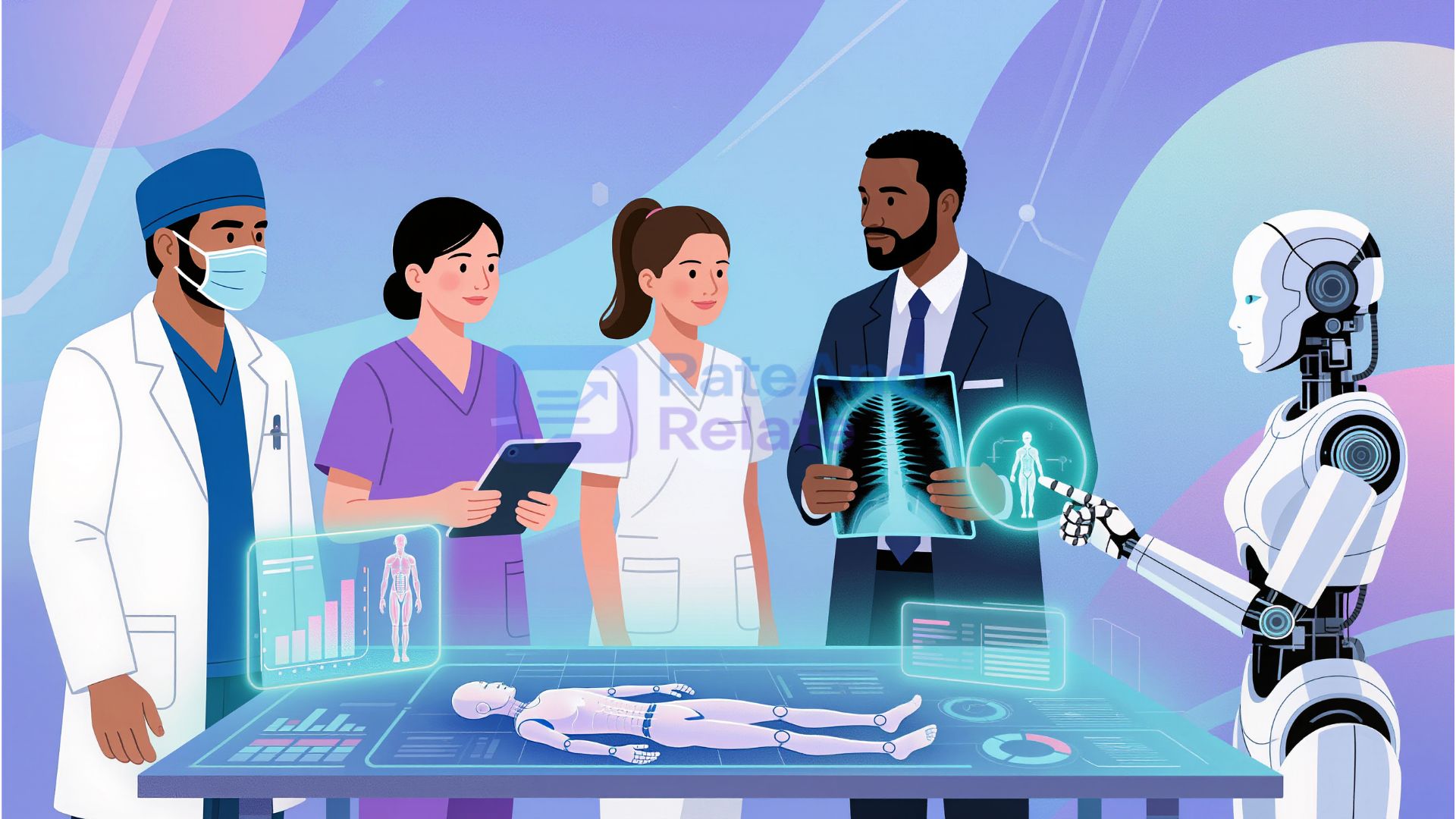

Imagine having a virtual version of your body—one that learns from your daily habits, tracks your internal health signals, and predicts diseases before they even begin. This is no longer science fiction. AI-powered digital twins are emerging as one of the most transformative innovations in personal healthcare, making forecasting, prevention, and personalized treatment more accurate than ever before.
What Is a Digital Twin for Health?
A digital twin is a virtual replica of a physical entity—in this case, your body or a specific organ. These replicas are built using:
- Real-time health data
- Medical history
- Wearables and sensor inputs
- Genetic profiles
- Lifestyle and environmental factors
AI models continuously analyze this data to simulate how your body responds to various conditions, medications, diet changes, and stress levels.
How AI Enhances Health Forecasting
AI brings predictive intelligence to the digital twin ecosystem. It identifies patterns that humans cannot, allowing doctors and individuals to forecast health outcomes with remarkable accuracy.
AI-powered twins can:
- Predict risk of chronic diseases like diabetes or hypertension
- Simulate how lifestyle changes impact long-term health
- Detect early signs of organ stress
- Recommend personalized diets and activity plans
- Predict recovery time after injury or illness
This shifts healthcare from treating after diagnosis to preventing before symptoms appear.
Real-Time Data: The Fuel of Digital Twins
Wearable devices and biomarker trackers supply millions of micro-data points every day. Sensors measure:
- Heart rate variability
- Blood oxygen
- Sleep cycles
- Stress markers
- Movement and posture
- Blood glucose (continuous monitors)
AI integrates all of this data to create a living, breathing health profile that updates every second.
Personalized Medicine Becomes a Reality
With digital twins, healthcare is no longer one-size-fits-all. Instead, every recommendation is based on your unique physiology.
Examples include:
- Testing drug reactions on your digital twin before prescribing
- Custom workout plans designed around your metabolic response
- Personalized supplements based on nutrient absorption simulations
- Early alerts when your body deviates from normal patterns
This level of personalization drastically reduces risks and improves treatment outcomes.
Transforming Doctor–Patient Interaction
Digital twins act as a shared visual tool for doctors and patients. Instead of relying only on symptoms or reports, doctors can view a dynamic model of how your body is functioning internally.
Benefits include:
- Faster diagnosis
- Better understanding of disease progression
- More effective treatment planning
- Transparent communication with patients
Challenges and Ethical Considerations
While powerful, digital twins must be developed responsibly. Key concerns include:
- Data privacy and security
- Ensuring models do not amplify biases
- Regulatory standards for medical AI
- Accessibility across income levels
Addressing these challenges will determine how widely digital twins can be integrated into mainstream healthcare.
A New Era of Predictive Health
AI-powered digital twins are poised to redefine personal health. By combining real-time data, predictive intelligence, and hyper-personalized care, they create a future where:
- Illness is detected before symptoms
- Treatments are customized
- Lifestyle plans are scientifically optimized
- Healthcare becomes preventive rather than reactive
As this technology matures, everyone may soon have a digital counterpart working 24/7 to protect and optimize their health—quietly, intelligently, and proactively.