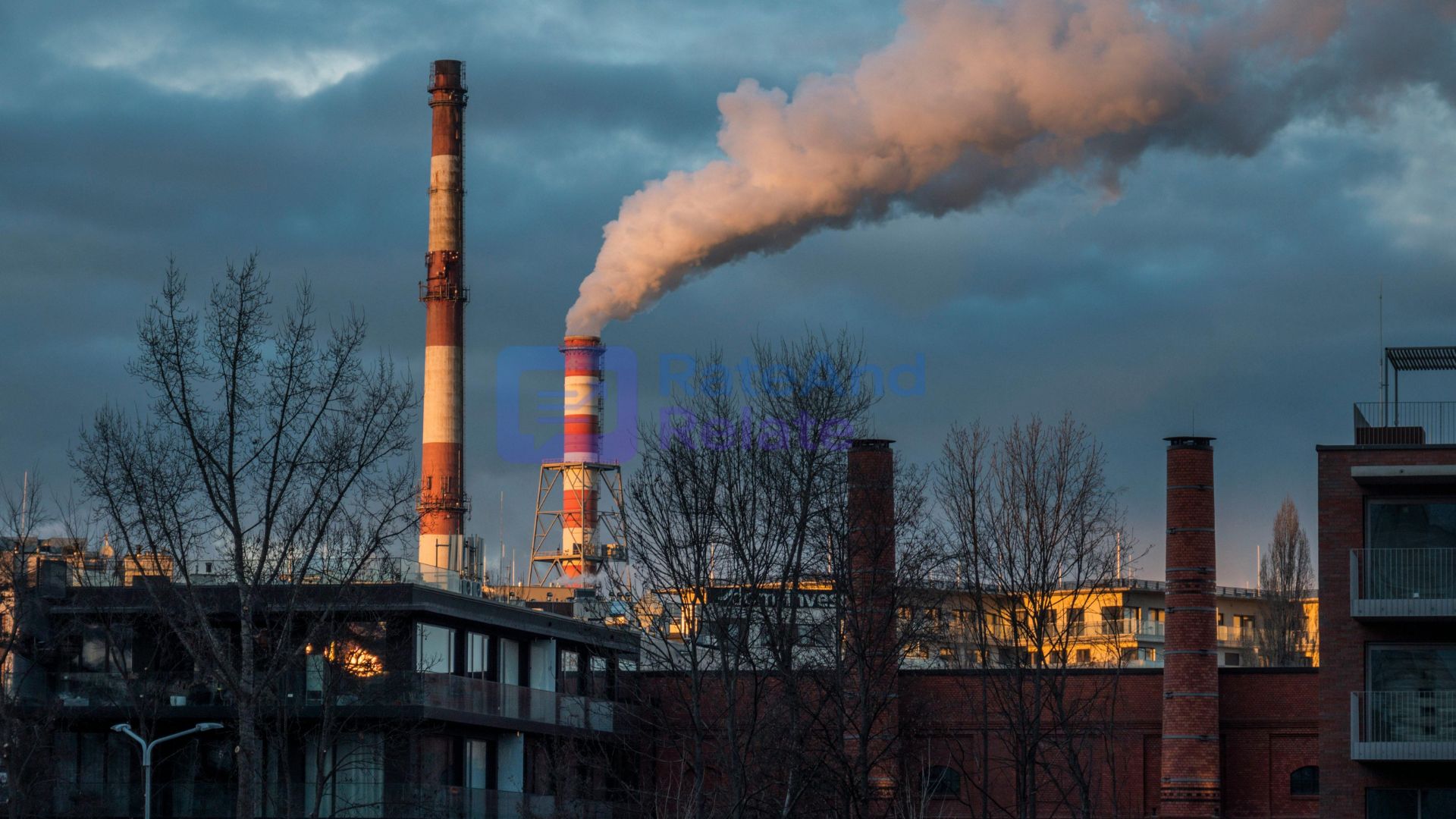

Industrial emissions are one of the largest contributors to air pollution worldwide. Traditionally, monitoring emissions from factory chimneys has relied on manual inspections, physical sensors, or infrequent audits—methods that are slow, costly, and easy to bypass. Today, AI and computer vision are bringing a revolution by making pollution detection automatic, real-time, and nearly impossible to manipulate.
Why Industrial Emissions Are Hard to Monitor
Factories often release pollutants like SO₂, NOx, CO₂, particulate matter, and volatile organic compounds. Monitoring them is difficult because:
- Inspections are done occasionally, not continuously
- Factories operate 24/7
- Remote locations make physical monitoring tough
- Emission manipulation (like filtering smoke only during audits) is common
This creates a major gap between regulation and reality.
AI + Computer Vision: A New Way to Track Pollution
AI-powered cameras placed near industrial zones can now continuously watch factory chimneys and identify:
- Smoke density and color
- Sudden emission spikes
- Unusual discharge patterns
- Night-time illegal operations
- Bypass of scrubbers or filters
These cameras feed video to deep-learning models trained to recognize what “normal” and “illegal” emissions look like.
How the Technology Works
1. High-Resolution Cameras
Installed around factories or on drones, they capture continuous video footage of chimneys.
2. Computer Vision Algorithms
Neural networks analyze the footage frame-by-frame and extract details like:
- Smoke opacity
- Color gradients
- Emission intensity
- Direction and height of plume
From these, the system can detect even small deviations.
3. AI-Based Violation Detection
If the system detects illegal emissions—like darker smoke or excessive thickness—it automatically:
- Flags the event
- Records time-stamped evidence
- Alerts pollution control authorities
- Creates a digital report
4. Integration With Environmental Databases
AI systems can compare emissions with:
- Permitted emission limits
- Weather/wind conditions
- Historical emission behavior of that factory
This ensures accurate, context-aware monitoring.
Real-World Applications
1. Government Pollution Control Boards
Several countries are adopting AI cameras to reduce corruption and catch emission violations in real time.
2. Smart Industrial Parks
Modern SEZs use centralized AI dashboards for all factory chimneys, enabling automatic compliance.
3. Insurance & ESG Reporting
Companies use AI emission monitoring to prove environmental compliance and improve sustainability ratings.
4. Public Transparency Platforms
Cities share emission data with citizens to build accountability.
Benefits of AI-Based Emission Monitoring
24/7 Real-Time Surveillance
No more waiting for audits—pollution violations are caught instantly.
No Human Bias or Manipulation
AI eliminates selective sampling and fraudulent reports.
Early Detection of Equipment Failure
If scrubbers or filters malfunction, AI detects changes before they become severe.
Reduced Inspection Costs
Fewer manual visits, lower operational overhead.
Higher Compliance
Industries are less likely to risk illegal emissions when monitored continuously.
Challenges & Ethical Considerations
- Privacy concerns if cameras capture nearby residential areas
- Cost of deployment for small factories
- Need for high-quality training datasets
- Weather interference during heavy fog or rains
But rapid advancements in AI and imaging are addressing these issues.
The Future: Autonomous Pollution Enforcement
In the next few years, we may see:
- AI drones patrolling industrial zones
- Satellite-based emission detection integrated with local data
- Predictive emission forecasting using machine learning
- Automatic fines triggered by verified AI violations
This shifts pollution control from reactive to proactive.
AI-based industrial emission monitoring is transforming environmental compliance. With computer vision systems watching factory chimneys 24/7, illegal emissions are harder to hide, and regulatory action becomes faster and more transparent.
As industries and governments adopt AI-driven monitoring, the world moves closer to cleaner air, healthier cities, and truly accountable manufacturing.