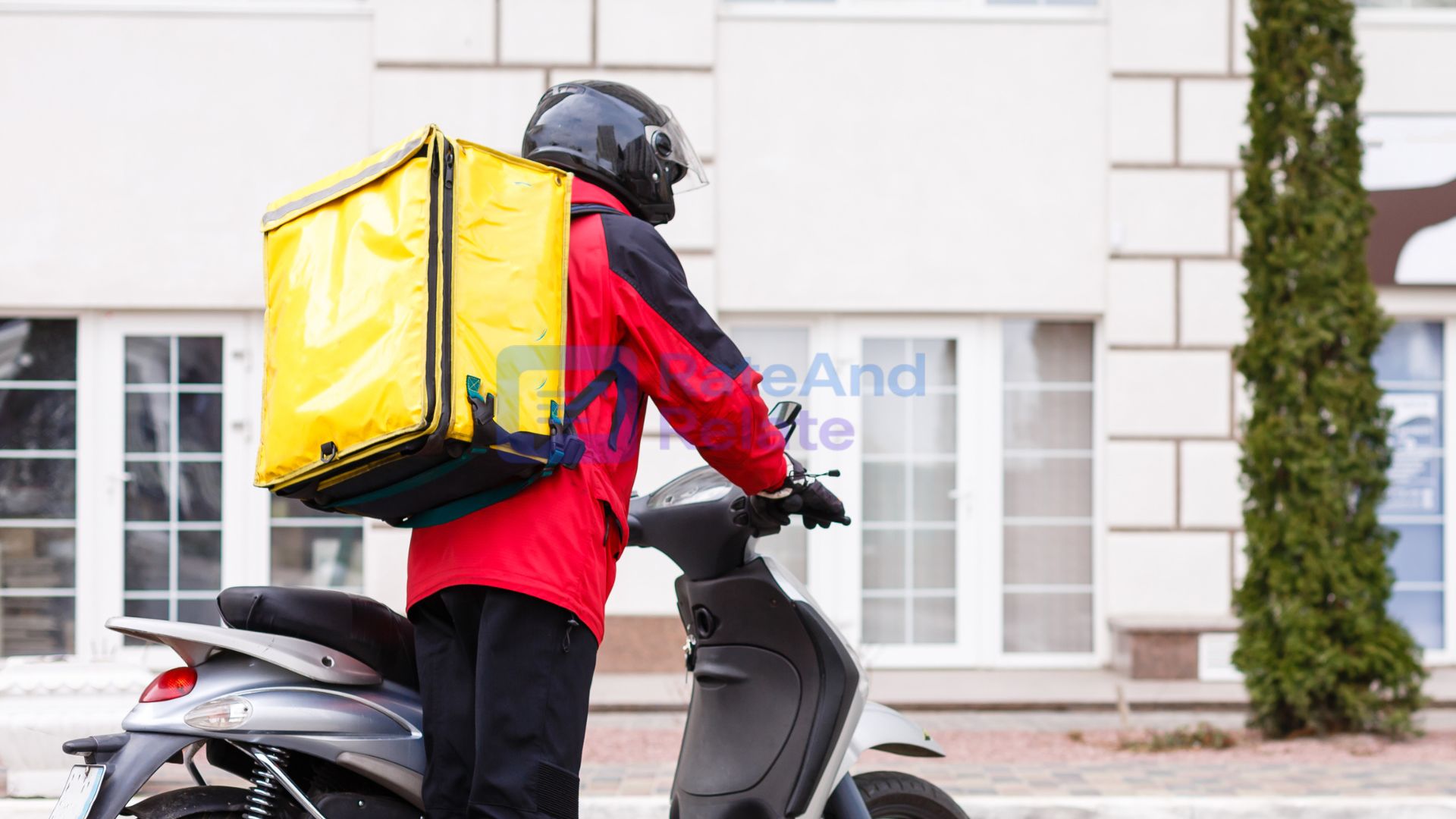

Quick-commerce has changed urban shopping forever. In many cities, groceries, medicines, and essentials now arrive in 10 to 20 minutes, powered by armies of delivery bikes, scooters, and mini-vans operating round the clock.
The convenience is unmatched — but behind the speed lies a rapidly growing environmental cost.
This is the story of how the last-mile delivery boom is silently increasing emissions, traffic, and urban pollution.
The Quick-Commerce Explosion
Apps promising “Delivered in 10 minutes” rely on:
- dense networks of dark stores,
- thousands of delivery riders,
- 24/7 fleet movement, and
- ultra-frequent short-distance trips.
While each trip is small, the combined effect is massive. In major metros, quick-commerce fleets can make hundreds of thousands of daily micro-deliveries, often within a few kilometers.
This constant movement is reshaping the pollution profile of cities.
Where the Pollution Comes From
1. Increased Vehicle Density on Roads
Unlike traditional ecommerce (one van delivering 30 parcels), quick-commerce uses:
- 1 bike
- for 1 order
- multiple times per hour
This creates higher trip frequency, leading to more fuel burned and more emissions per item delivered.
2. Idle Time Pollution
Delivery vehicles:
- wait near traffic signals,
- idle near restaurants,
- queue outside dark stores.
Idling alone contributes significant PM2.5, NOx, and CO₂ emissions.
3. The 24/7 Pollution Problem
Quick-commerce is not a 9-to-5 system:
- late night orders
- early-morning grocery runs
- round-the-clock medicine delivery
This means continuous movement, even during times when emissions could have been zero.
EVs Are Not a Perfect Solution
Many quick-commerce fleets use electric bikes or scooters — but EVs also add pollution in less visible ways:
Battery Emissions
Lithium-ion battery production involves mining, chemicals, and high energy use.
Electricity Source
If charging comes from coal-heavy grids, total carbon footprint remains high.
Tire & Brake Dust
EVs still release microplastics from tire wear — a growing contributor to urban air pollution.
Dark Stores: The Hidden Energy Consumers
Quick-commerce hubs require nonstop:
- lighting
- refrigeration
- air conditioning
- staff movement
- loading docks
These micro-warehouses significantly increase local emissions and electricity demand, often in already congested neighbourhoods.
Traffic Congestion & Safety Issues
A surge in two-wheelers often leads to:
- more lane-cutting
- faster driving to meet time promises
- traffic slowdowns
Traffic congestion worsens emissions further, as cars and buses burn more fuel in slow-moving conditions.
Environmental Impact at Scale
When you combine:
- 1,00,000+ daily deliveries
- each averaging 7–12 minutes
- with constant fleet turnover
…the pollution adds up to levels that rival entire small industries.
In some metro areas, quick-commerce is becoming the largest source of micro-trip traffic emissions, overtaking taxis and personal vehicles.
Can Quick-Commerce Become Greener?
Fleet Electrification (with renewable charging)
Solar-powered charging stations can turn EV fleets into a clean alternative.
Batch Deliveries
Grouping orders by zone reduces redundant trips — faster and greener.
Micro-Warehousing in Transit-Friendly Areas
Placing dark stores near metro stations or bike lanes reduces road congestion.
AI Route Optimization
Algorithms can cut idle time, reduce distance, and improve energy efficiency.
Green Packaging
Reducing plastic, using compostables, and minimizing waste.
The Future: Sustainable Quick-Commerce
Quick-commerce isn’t going away — consumers love it.
But the industry must evolve from speed-only models to speed + sustainability.
Cities are already exploring:
- emissions caps for delivery fleets,
- congestion fees,
- clean mobility incentives,
- guidelines for 10-minute delivery zones.
The growth of convenience must not come at the cost of air quality.
Quick-commerce is a modern marvel — but it’s also a silent contributor to urban pollution.
The challenge for the next decade is clear:
How do we keep convenience without choking our cities?
Solutions exist. Innovation is possible.
But the pressure to act must start now — before 10-minute delivery becomes a 24/7 environmental burden.