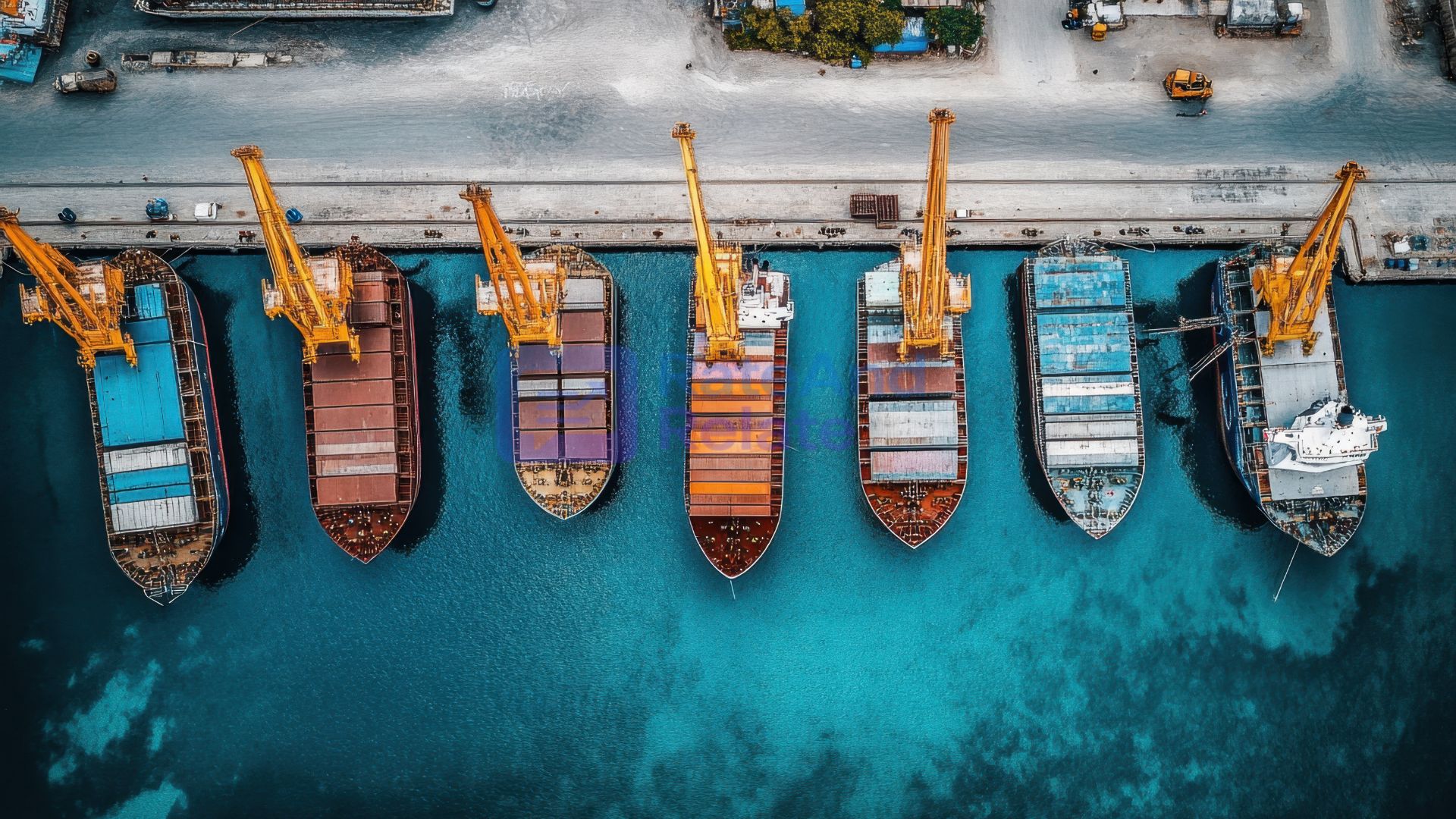

Global trade runs on ships, but the ports that power this vast network are entering a historic transformation. As nations race toward net-zero commitments, zero-carbon shipping ports are becoming the next frontier in sustainable infrastructure. These ports aim to operate entirely on clean energy, electrify all ground operations, and support vessels that increasingly rely on low-carbon fuels or shore power.
This is not just an environmental shift; it is a massive business opportunity reshaping global logistics, technology providers, energy companies, and maritime economies.
The Push Toward Zero-Carbon Ports
Ports are major energy consumers and significant sources of emissions. Cargo handling machinery, diesel trucks, auxiliary ship engines, and port buildings contribute heavily to local pollution and global warming.
Governments and companies are now mandating a shift toward:
- Full electrification of port equipment
- Green hydrogen and ammonia bunkering infrastructure
- Smart microgrids powered by solar, wind, and battery storage
- Cold ironing (shore power) for berthed ships
- Digital systems to eliminate inefficiencies and idle emissions
This shift is supported by stricter emission regulations from the IMO (International Maritime Organization), as well as growing investor pressure on shipping companies to meet ESG targets.
The Business of Electrifying Marine Logistics
Zero-carbon ports are creating new revenue streams across the maritime ecosystem.
1. Electrified Cargo Handling
Electric cranes, forklifts, automated guided vehicles (AGVs), and container stackers are replacing diesel-powered machines. Companies providing battery systems, high-power charging, and automation technologies are seeing explosive demand.
2. Shore Power as a Service
Ships traditionally keep engines running at berth to maintain onboard systems. Shore power allows vessels to plug into the port’s grid, dramatically cutting emissions. Ports can earn recurring revenue by selling clean electricity to ships.
3. Green Bunkering Infrastructure
Ports are investing in fueling stations for:
- Green hydrogen
- Green ammonia
- Methanol
- Electrified ferry charging
This positions ports as future energy hubs supplying clean fuels to the global fleet.
4. Port Microgrids
Many ports are moving toward self-sufficiency through renewable microgrids combining:
- Floating offshore wind
- Large-scale rooftop solar
- Utility-scale battery banks
Energy companies and technology integrators have an emerging market building these localized energy ecosystems.
5. Autonomous and Electric Logistics
As ports adopt electrified systems, automation naturally follows. Digital twins, AI-driven yard management, and autonomous electric trucks are enhancing efficiency while cutting energy waste.
Why Zero-Carbon Ports Matter
Cleaner Coastal Cities
Ports are often located near dense urban populations. Electrified logistics drastically reduce air pollutants like sulfur oxides and particulate matter.
Global Competitiveness
Shipping companies now prefer green ports to meet regulatory requirements and reduce carbon penalties. Ports that decarbonize early gain a strategic advantage.
Lower Operating Costs
Although the upfront investment is high, electric equipment has lower maintenance and fuel costs. Renewable-powered microgrids also reduce reliance on volatile fossil fuel markets.
Energy Security
Green ports can generate and store their own energy, making them more resilient to grid disruptions.
Challenges Ahead
The journey is not without obstacles:
- High capital costs for retrofitting equipment
- Complexity of integrating renewable energy with port operations
- Lack of standardization across global ports
- Uncertainty around future fuel technologies (hydrogen, ammonia, methanol, etc.)
Still, declining renewable energy prices and rising carbon taxes make the business case stronger every year.
The Future of Marine Logistics
Zero-carbon shipping ports represent the next evolution of global trade infrastructure. In the coming decade:
- Ships will increasingly run on electricity or green fuels
- Ports will function as clean energy hubs
- AI will orchestrate energy flow and logistics in real time
- Coastal regions will experience cleaner air and quieter operations
The race toward electrified marine logistics is not optional; it is a competitive necessity. The ports that lead this transition will define the future of global commerce.