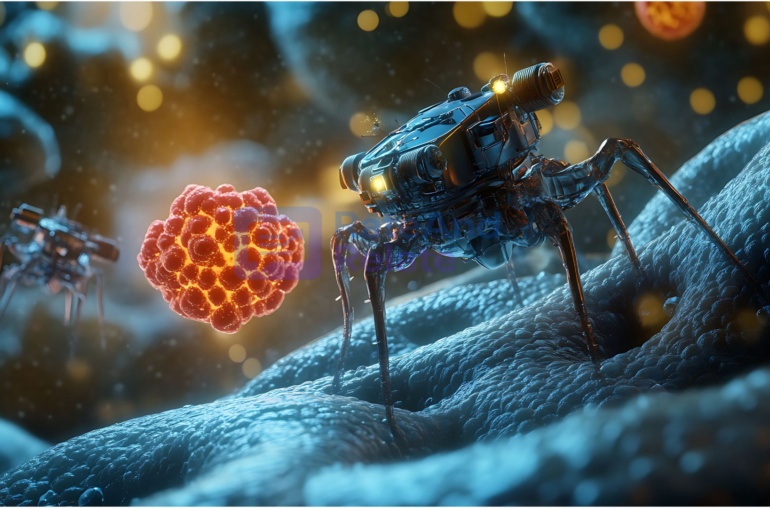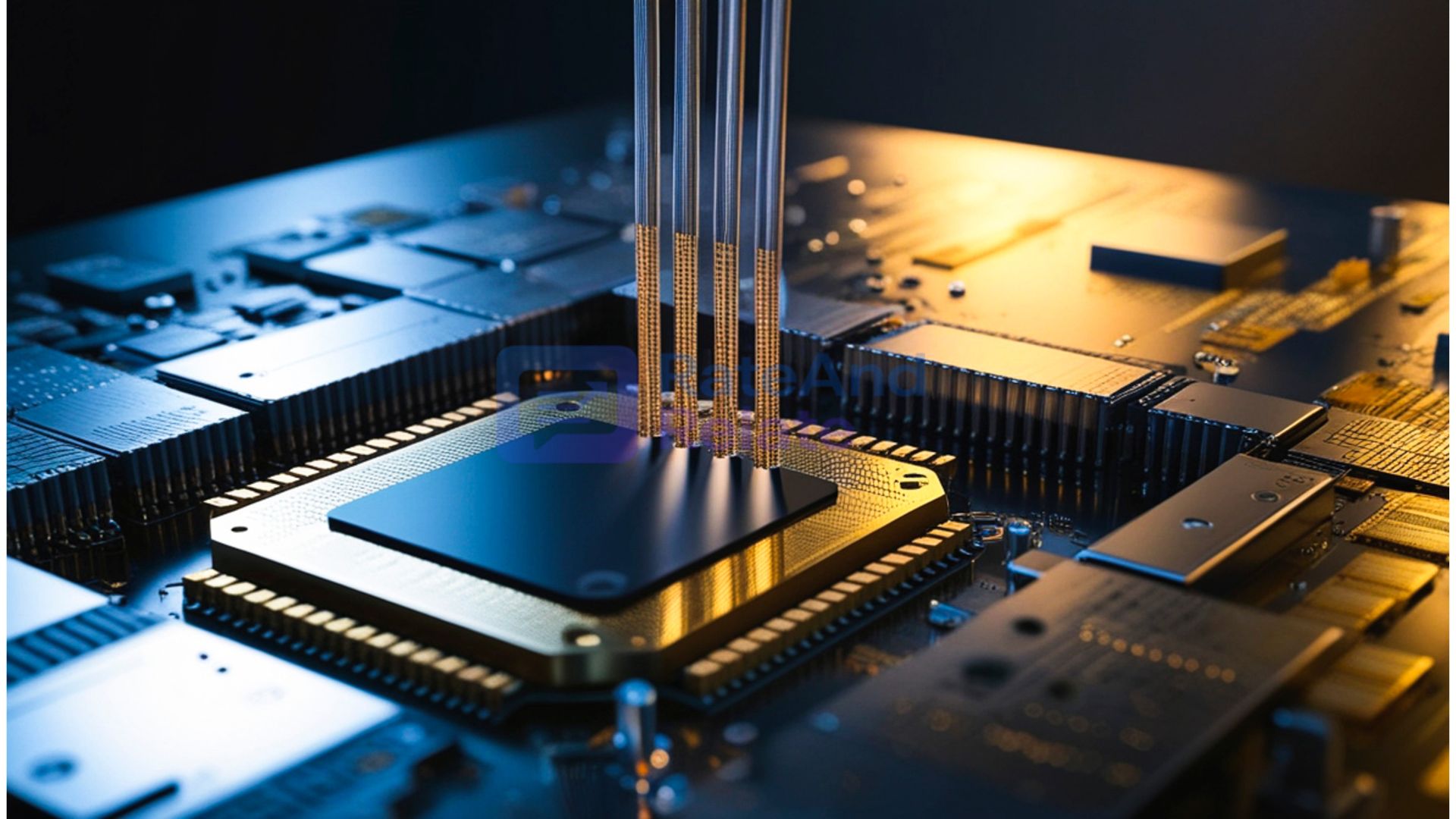

Nature has always been the world’s greatest engineer — and now, computing is finally catching up. Inspired by the way ants coordinate flawlessly without a leader, scientists are building Edge AI swarms, networks of tiny microchips that work together to solve complex tasks in real time.
Instead of relying on massive cloud servers, these swarms think, learn, and act independently — yet collectively. The result is a new kind of intelligence: decentralized, resilient, fast, and alive with coordination.
Welcome to the era of swarm computing.
What Are Edge AI Swarms?
Edge AI swarms are groups of small, low-power chips or devices that:
- process data locally
- communicate with each other
- make collaborative decisions
- split tasks dynamically
- adapt like insect colonies
No single chip acts as the leader.
Just like ants, every member contributes based on what it senses.
This makes the swarm faster, more reliable, and nearly impossible to crash.
Why Move From Cloud to Swarm?
Traditional AI needs heavy cloud computing, large servers, and strong internet.
Edge swarms remove these dependencies.
Benefits include:
- Real-time decision-making
- Ultra-low latency
- No single point of failure
- Low energy consumption
- High security through decentralization
Imagine an army of microprocessors solving problems instantly without waiting for cloud approvals.
Real-World Applications of Edge AI Swarms
1. Drone Fleets That Fly Like Birds
Swarms of drones can:
- map forests
- track wildlife
- monitor crops
- assist in rescue missions
If one drone fails, the rest instantly adapt — no command center needed.
2. Smart Factories With Self-Organizing Machines
Machines on the shop floor coordinate automatically:
- routing materials
- detecting faults
- optimizing energy usage
- adjusting production speeds
Factories become alive, responsive, and mistake-proof.
3. Healthcare Wearables That Talk to Each Other
Imagine a network of mini-sensors on a patient — heart rate, glucose, hydration, temperature — all collaborating to detect early health issues with minute precision.
4. Autonomous Cars Communicating Like Ants
Instead of every car depending on cloud maps, a swarm of vehicles can share:
- road hazards
- traffic density
- weather changes
- accidents
- safe lane decisions
This makes transport safer and smarter.
5. Environmental Swarm Sensors
Tiny chips sprinkled across:
- oceans
- forests
- farmlands
- glaciers
They detect pollution, temperature changes, soil health, and wildlife — creating a living, breathing map of the planet.
How Swarm Intelligence Works
Inspired by nature:
- Ant colonies find optimal paths
- Bees coordinate food locations
- Birds avoid collisions in flocks
Edge AI swarms use similar algorithms:
- decentralized decision rules
- local sensing
- light-weight machine learning
- message passing
Together, they produce emergent intelligence far more powerful than any single device.
Security Advantages: Hard to Hack, Easy to Trust
Cloud systems can collapse if one point fails.
Swarms don’t.
- No central server
- No master key
- Compromise one device = swarm still survives
This architecture makes swarms ideal for security-critical domains like defense and healthcare.
The Technology Behind Swarm Computing
Edge swarms rely on:
- microcontrollers (ARM, RISC-V)
- low-power AI accelerators
- mesh networking
- federated learning
- on-device neural nets
- ultra-fast communication protocols
The smaller these chips get, the smarter and more distributed the swarms become.
The Future of Edge AI Swarms
Within the next decade, we’ll see:
- self-piloting delivery swarms
- smart home appliances that coordinate without Wi-Fi
- agriculture robots that weed, water, and harvest together
- city-wide sensor grids monitoring everything in real time
- battlefield robots forming autonomous strategy clusters
When thousands of tiny chips think together, new forms of intelligence emerge — just like ant colonies building complex cities from simple behaviors.
A New Computing Paradigm
Edge AI swarms represent a shift from big, centralized intelligence to small, distributed intelligence.
Instead of one supercomputer, we get a million tiny ones, all connected, all learning, all acting.
It’s not just faster.
It’s not just smarter.
It’s evolutionary.
The future of computing won’t be centralized.
It will behave like nature — adaptive, resilient, and beautifully coordinated.