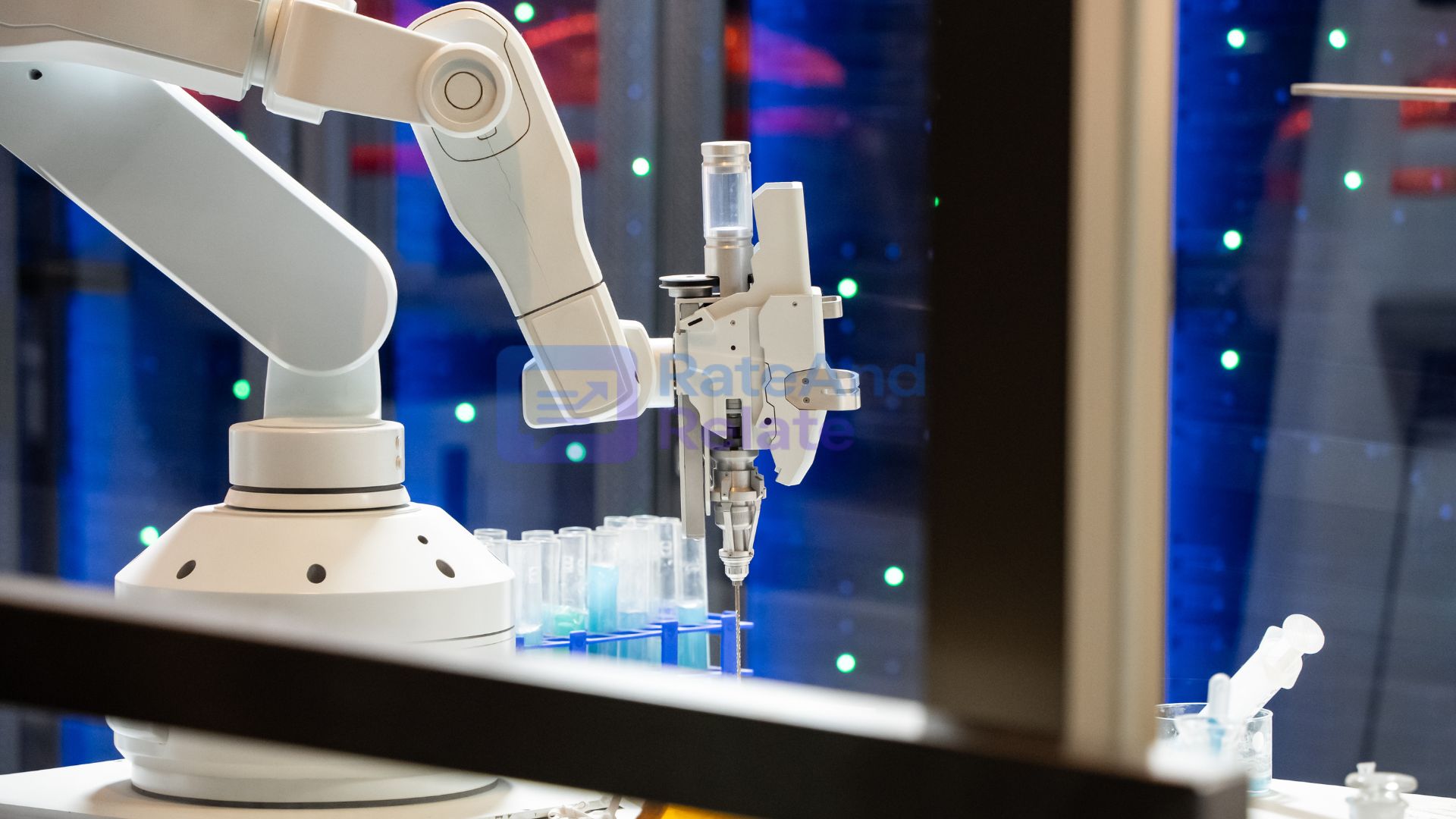

The manufacturing world is undergoing a quiet revolution — one where products aren’t made, they grow. As climate pressure rises and traditional industries struggle with resource constraints, a new frontier has emerged: bio-factories, where nature and engineering collide to create sustainable, living materials.
Welcome to the era of lab-grown leather, self-healing concrete, and fungus-based packaging — the building blocks of tomorrow’s green economy.
The Rise of Living Materials
Living materials are engineered with biological processes, meaning they can grow, repair themselves, and biodegrade naturally. Unlike conventional manufacturing, bio-factories rely on cellular machinery, fermentation vats, and microbial design instead of heat, metal, and fossil fuels.
This shift is redefining what “manufactured” even means.
Lab-Grown Leather: Luxury Without the Animal
Traditional leather production is resource-heavy, polluting, and tied to animal agriculture. Bio-factories are offering a cleaner alternative:
- Mycelium leather grows in days
- Lab-grown collagen leather mimics the texture of animal hide
- Zero tanning chemicals needed
- Fully customizable thickness, texture, color
Brands like Adidas and Stella McCartney are already prototyping materials that feel like leather but come from mushrooms — not cows.
Self-Healing Concrete: Buildings That Fix Their Own Cracks
Concrete is the world’s most used material after water — and one of the toughest on the environment.
Bio-engineered concrete reimagines the material entirely. Scientists embed bacteria spores into concrete mixtures. When cracks form, water seeps in and activates the bacteria, triggering them to produce limestone that seals the gap.
Benefits include:
- Longer-lasting infrastructure
- Reduced repair costs
- Lower carbon emissions
- Resilient buildings and roads
Imagine cities where bridges repair themselves as they age.
Fungus-Based Packaging: Replacing Plastic Naturally
Mycelium — the root structure of mushrooms — is becoming one of manufacturing’s favorite materials.
Why?
Because it can be grown into any shape using agricultural waste as a base. It’s strong, shock-absorbent, lightweight, and fully biodegradable.
Uses include:
- Packaging
- Insulation
- Compostable containers
- Furniture and home décor
Mycelium packaging biodegrades in 45 days, compared to plastic’s 450 years.
Why Bio-Factories Matter
Bio-factories offer a solution to the manufacturing sector’s toughest challenges:
- Lower energy consumption
- Minimal waste and carbon output
- Regenerative processes
- Highly customizable materials
- Decentralized production (grow materials anywhere)
As supply chains become strained and environmental regulations tighten, bio-factories will evolve from novelty to necessity.
The Future: Manufacturing as Biology
Bio-manufacturing isn’t just a trend — it’s a blueprint for the next industrial shift. In the coming decade, we may see:
- Houses grown from mushroom bricks
- Clothing that repairs holes
- Paper made from lab-grown fibers
- Medical implants that adapt to the body
- Smart materials with embedded living cells
Manufacturing is no longer just engineering — it’s ecology, biology, and design working together.
The factories of the future won’t just assemble products.
They’ll grow them.