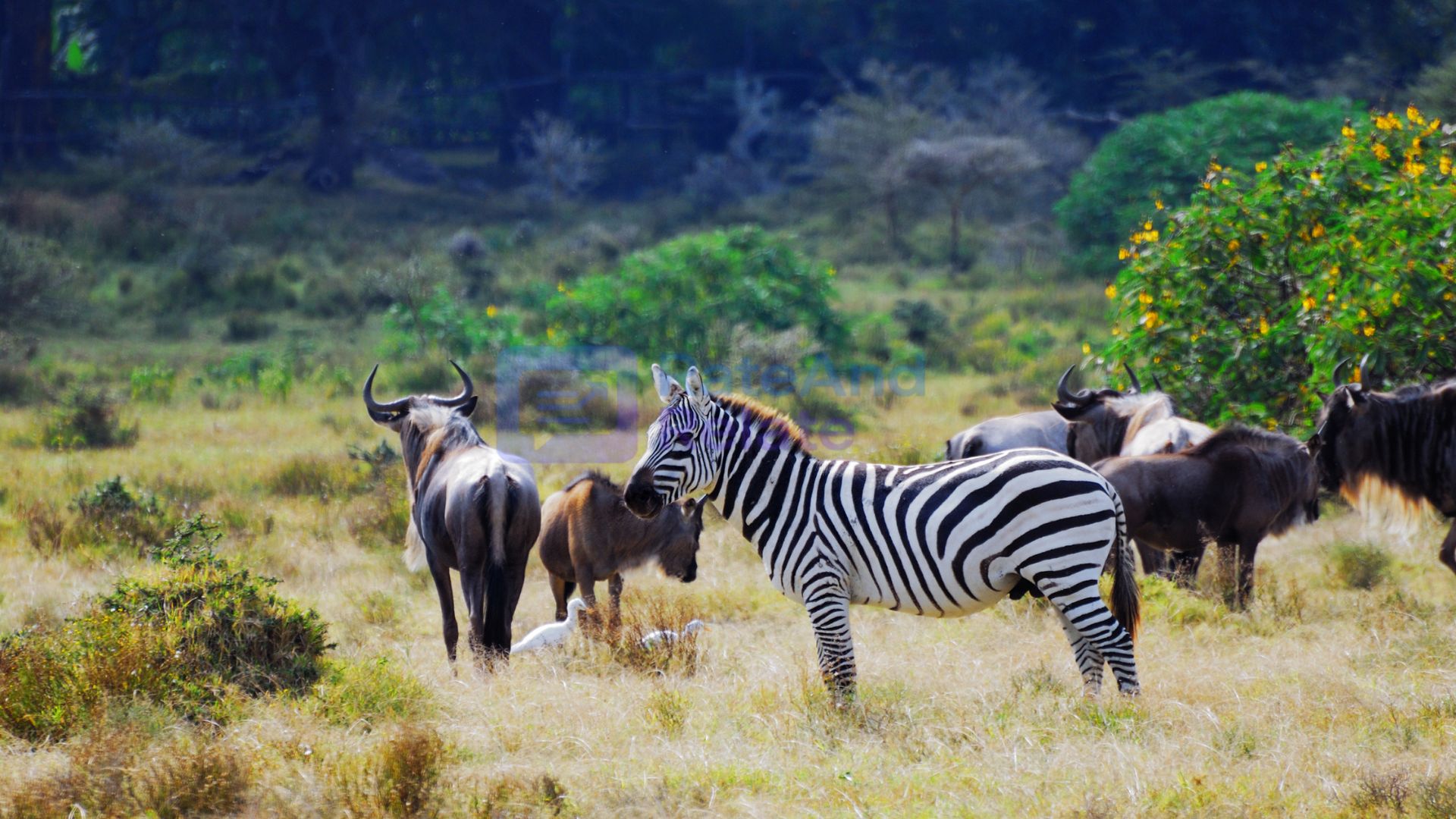

In the deepest forests, far below the canopy and away from any human eye, a new kind of explorer is taking notes. It doesn’t sleep, doesn’t miss a detail, and doesn’t get confused by complex patterns. This explorer is artificial intelligence — and it is opening up a revolutionary new window into how animals live, communicate, hunt, migrate, and evolve.
For decades, scientists have relied on field observations, manual tagging, and limited tracking devices to understand wildlife. These tools gave us pieces of the puzzle, but never the whole picture. Behavior happens fast, often at night, and in environments where humans simply cannot follow. Today, AI is filling those gaps — and, in many cases, outperforming human researchers by orders of magnitude.
From Random Footage to Real-Time Wildlife Patterns
Thanks to AI-powered camera traps and acoustic sensors, thousands of hours of raw data from jungles, grasslands, and oceans can now be analyzed instantly. What once took scientists months is now accomplished in minutes.
- Computer vision algorithms identify species by shape, movement, and even unique physical markings.
- Acoustic AI models decode animal calls to understand warning signals, mating patterns, and territory behavior.
- ML-based trackers map precise movement trails without disturbing habitats.
This isn’t just faster science — it’s deeper science.
Behavioral Insights Humans Never Saw Coming
AI has spotted patterns that human researchers didn’t even know existed.
- Elephants changing their communication tones during rainfall.
- Big cats adjusting hunting routes based on moon visibility.
- Birds shifting migration timings not due to weather but due to changes in insect activity.
These micro-patterns were too subtle or too complex for manual observation, but AI recognized them instantly.
Saving Endangered Species With Data Intelligence
AI is now a silent guardian in many fragile ecosystems.
- Poaching prediction models alert authorities before illegal activity occurs.
- AI drones detect distressed animals using thermal imagery.
- Population algorithms help conservationists understand how fast species are declining — or recovering.
This means AI isn’t just observing animal behavior. It’s actively helping protect it.
The Tough Question: Can AI Fully Understand Animals?
AI can capture patterns, detect abnormalities, and make predictions. But can it truly understand an animal’s emotional world? Probably not — at least not yet. But what it can do is reveal hidden behavioral codes that humans never had the tools to read.
In this sense, AI doesn’t replace human researchers. It becomes their superpower.
A Future Where Nature Speaks and Technology Listens
We are entering a digital jungle where the mysteries of nature are finally being decoded. Every roar, chirp, ripple, and footprint becomes data. Every data point becomes insight. And every insight pushes us closer to protecting the planet’s most vulnerable species.
AI isn’t just mapping animal behavior.
It’s giving wildlife a voice — and making sure we hear it before it’s too late.