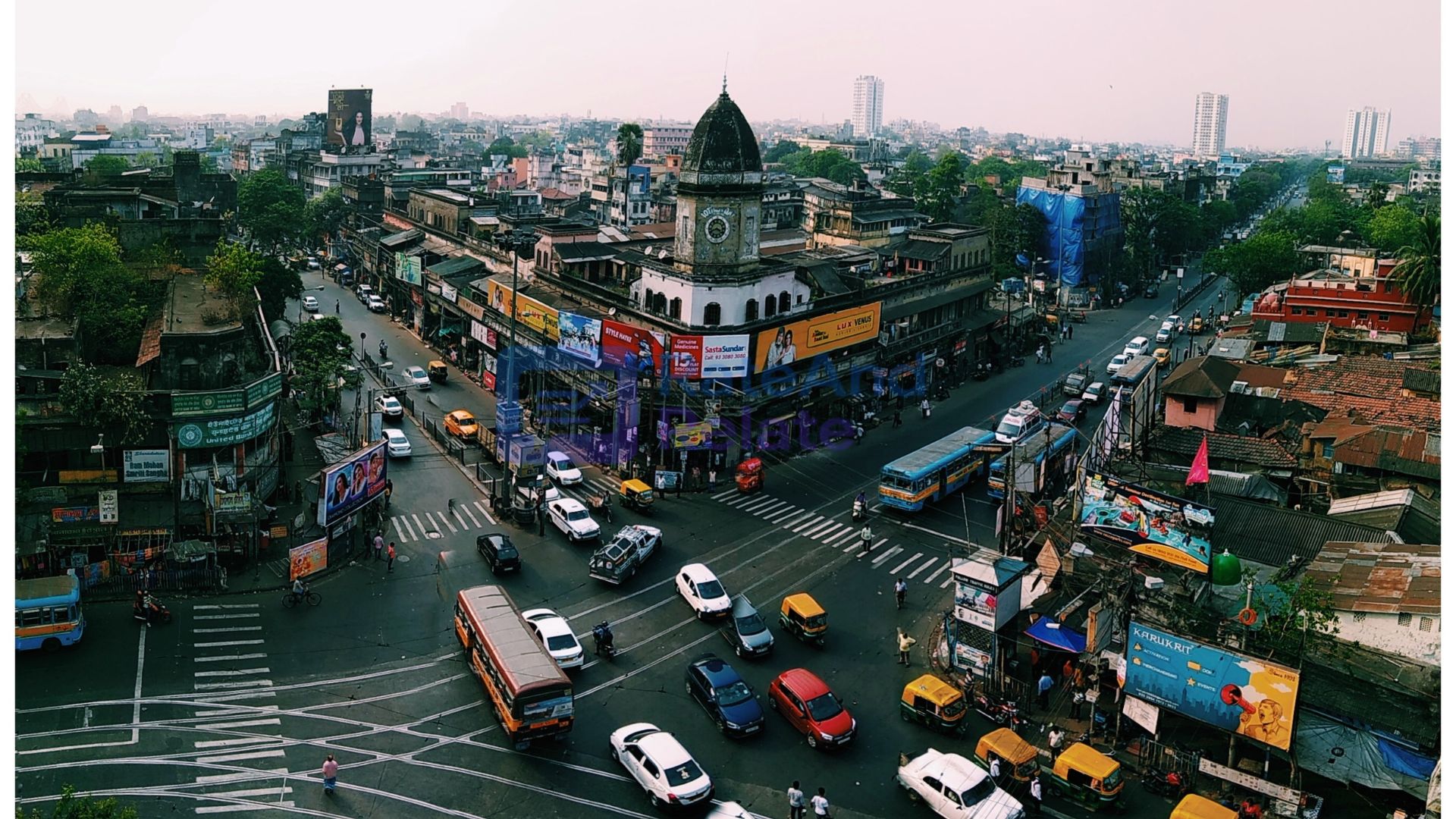
For decades, India’s economic map revolved around a familiar quartet — Delhi, Mumbai, Bengaluru, and Chennai. But the last five years have quietly rewritten the country’s growth geography. A new wave of edge cities — fast-rising mini-metros like Surat, Indore, Coimbatore, Bhubaneswar, Kochi, Lucknow, Jaipur, and Nagpur — are emerging as the next power economies, fuelled by infrastructure upgrades, digital adoption, and young talent that refuses to migrate.
Welcome to Edge Cities 2.0, where growth is more decentralized, dynamic, and data-driven than ever before.
The Rise of Tier-2 Titans
Unlike traditional metros crushed under congestion, high costs, and saturated job markets, edge cities offer a different promise — affordability, talent, and momentum. Manufacturing hubs like Surat, Indore’s cleanliness-driven governance model, and Coimbatore’s industrial backbone are attracting startups, IT firms, and Fortune 500 back offices at record speed.
These cities are no longer satellites; they’re standalone engines.
Powered by Infrastructure & Connectivity
Expressways, airports, metro rail expansions, and industrial corridors are the quiet heroes of this transformation. The Delhi–Mumbai Expressway, Bengaluru–Mysuru corridor, and upcoming bullet train networks are redefining commute patterns and bringing once-remote clusters into economic relevance.
Mini-metros are suddenly “1 hour away” instead of “overnight journeys.”
Digital-First Growth
UPI, ONDC, and a booming startup culture mean even mid-sized cities are becoming tech playgrounds. Cloud kitchens in Lucknow, AI BPOs in Jaipur, drone startups in Coimbatore — innovation is no longer confined to Bengaluru or Gurgaon.
A young, ambitious consumer class is accelerating this shift. Their spending patterns mirror metros but with higher headroom for growth.
A New Business Logic
Corporates are spreading out instead of scaling up in overcrowded metros. Lower operational costs, proximity to new consumers, and government-backed industrial parks make edge cities ideal for:
- IT and SaaS back offices
- EV and electronics manufacturing
- Retail and D2C expansion
- Logistics and warehousing
- Renewable energy clusters
India’s economic gravity is shifting outward.
The Future: A Multi-Hub India
By 2035, India could have more than 25 cities with metro-level GDP footprints. The country’s next unicorn may be built in Indore. The next EV innovation may come out of Nagpur. And the next wave of jobs will likely arise from places once considered “small towns.”
Edge Cities 2.0 are not India’s future — they’re its fastest-growing present.
India’s growth story is becoming bigger, broader, and brilliantly unpredictable.