
A quiet technological shift is transforming global logistics. Unlike past industrial revolutions marked by visible machinery or large infrastructure, today’s change is powered by algorithms working behind the scenes. Artificial intelligence has woven itself into every stage of the supply chain, turning traditional, reactive systems into intelligent, predictive networks. Businesses that once relied on manual planning now depend on real-time data, automation, and machine learning to move goods faster and more efficiently across the world.
The pandemic exposed how fragile global supply chains were. Sudden demand spikes, shipping delays, and stalled factories made one thing clear: manual methods could no longer support a world defined by uncertainty. This triggered a massive adoption of AI-driven systems. Today, predictive algorithms analyse sales trends, weather patterns, geopolitical risks, and market shifts to forecast demand with striking accuracy. Instead of reacting to disruptions, companies can now anticipate them, preventing stockouts, overproduction, and costly delays.
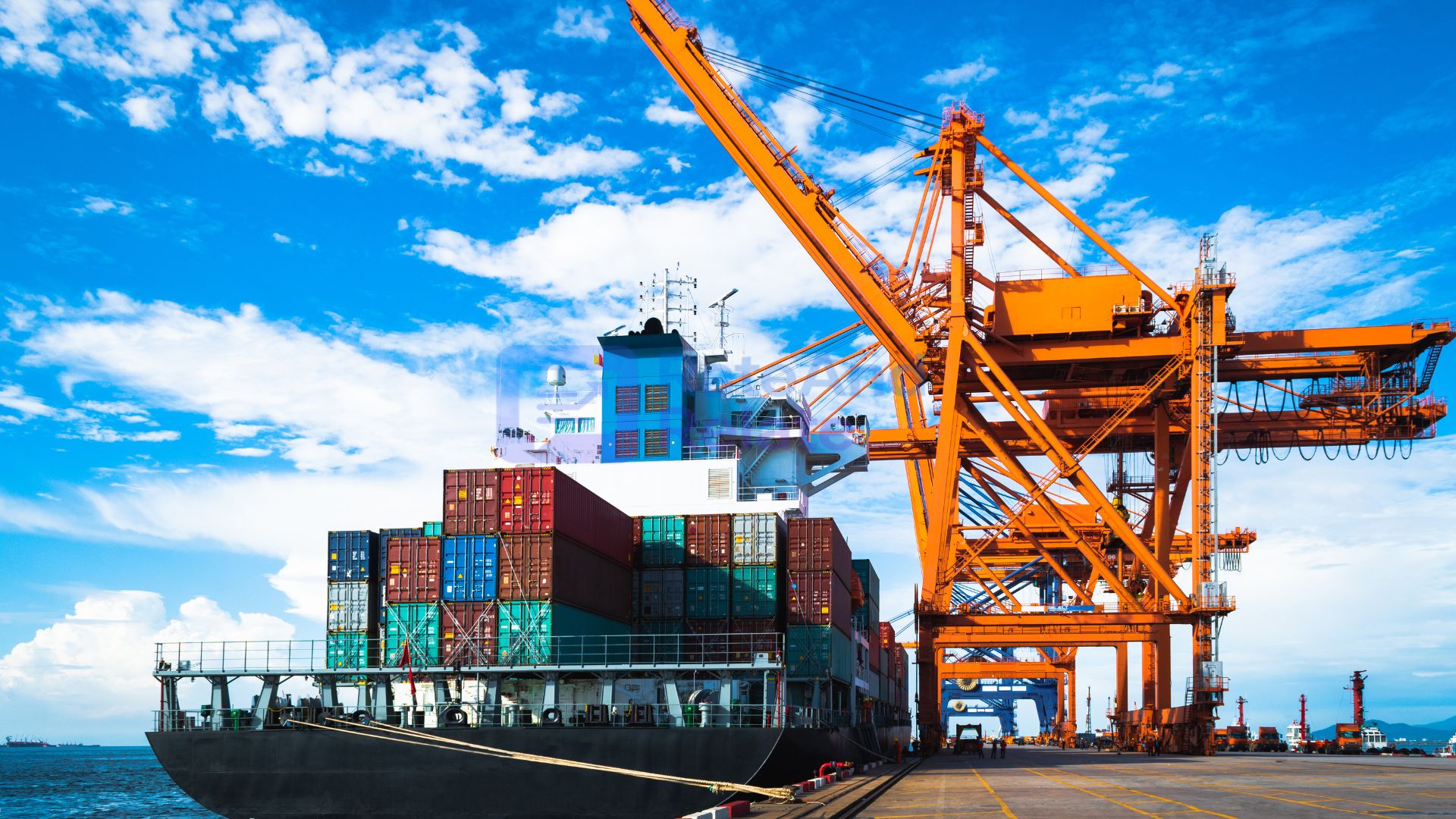
Inside warehouses, AI is redefining operations. Intelligent systems map the best storage positions, guide robotic pickers along optimal routes, and use computer vision to ensure product quality. These automated environments fulfil orders at unprecedented speed, reducing human error and labour costs while improving accuracy. On the roads, AI-powered route optimisation and autonomous delivery technologies are making transportation smarter and more reliable. Even ports and customs operations now leverage AI to reduce congestion and streamline cargo movement.
What makes this revolution “silent” is that consumers rarely see it. They simply experience faster deliveries and fewer stockouts, unaware that AI made thousands of micro-decisions in the background. The impact, however, is profound. AI-driven logistics is cutting costs, boosting resilience, and reshaping global trade. As automation deepens, supply chains will evolve into self-learning ecosystems—capable of making real-time decisions and keeping the world moving with remarkable precision.