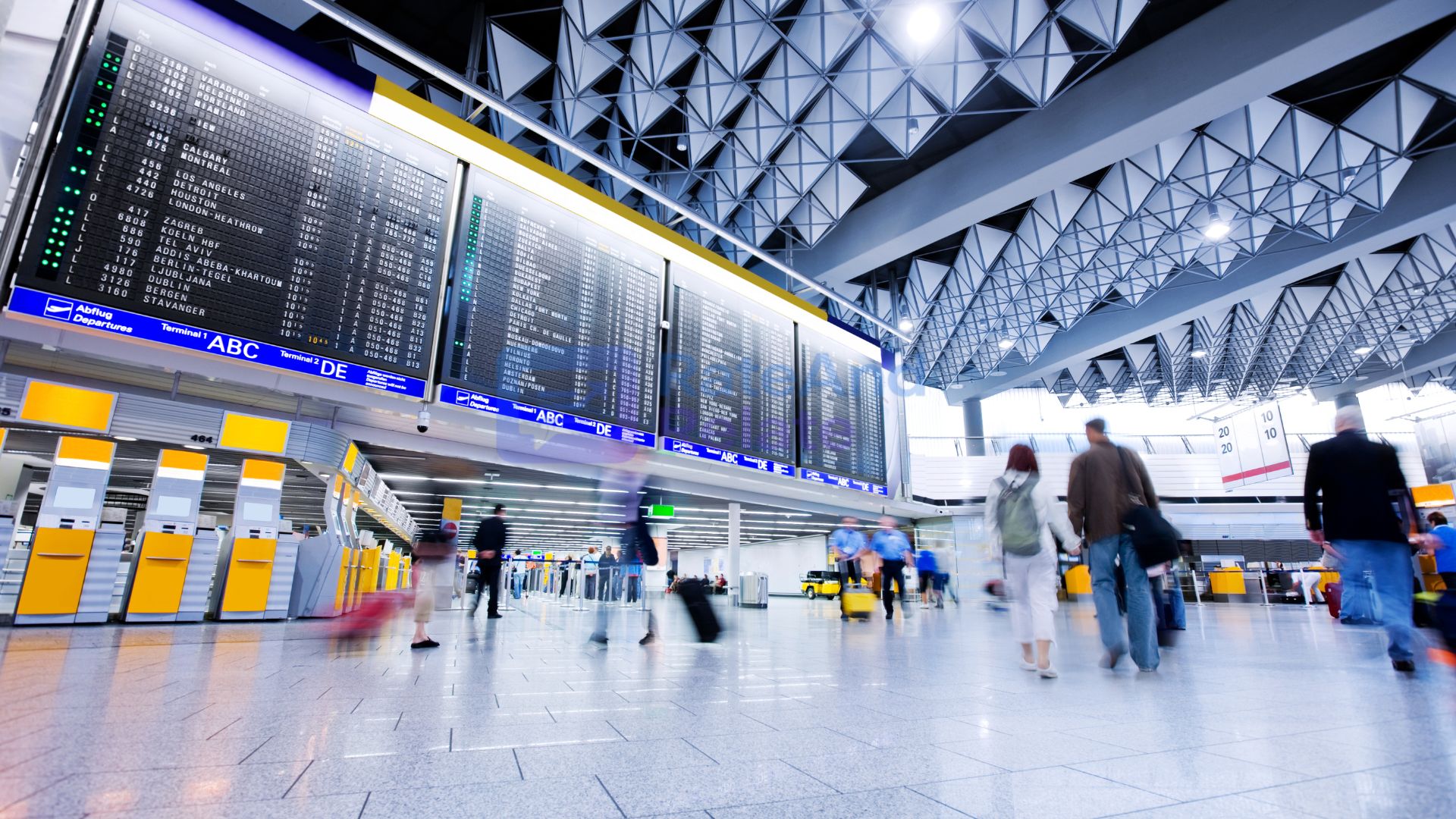

At airports around the world, passports are quietly being replaced — not by a new document, but by your own face.
From scanning fingerprints to recognizing irises and facial features, biometric technology is revolutionizing how we cross borders. The goal is simple: make travel faster, safer, and more seamless. But behind this innovation lies a deeper question — are we trading privacy for convenience?
1. The Rise of the Biometric Border
Biometric systems are now a global trend.
- The United Arab Emirates uses face scans at Dubai International Airport to let travelers board flights without showing passports.
- Singapore’s Changi Airport launched a fully automated, passport-free immigration system.
- The European Union is rolling out the Entry/Exit System (EES) using fingerprints and facial recognition to track visitors.
Airports and governments see biometrics as the key to efficient and secure border control, reducing queues, minimizing human error, and curbing document fraud.
2. How It Works — The Face as Your Passport
Biometric systems use unique physical characteristics — fingerprints, iris patterns, or facial structure — to verify identity.
Here’s what happens behind the scenes:
- Your biometric data is captured (at check-in or immigration).
- It’s matched with stored information in national or airline databases.
- Once verified, your face or fingerprint becomes your boarding pass and passport.
This “walk-through” travel experience allows passengers to move through check-in, security, and boarding with minimal human interaction.
3. The Promise — Speed, Security, and Seamlessness
Biometric borders promise a new age of frictionless travel.
- Faster processing: No more passport lines or manual stamping.
- Enhanced security: Harder for identity thieves or traffickers to fake documents.
- Contactless experience: Safer during health crises like COVID-19.
- Cost efficiency: Governments and airports reduce manpower and administrative burden.
For frequent flyers, the appeal is obvious — your face becomes your ticket to global mobility.
4. The Price of Convenience — Privacy and Control
But this technological leap comes with a warning label.
Biometric data is deeply personal — and unlike a password, you can’t change your face or fingerprint if it’s compromised.
Critics warn of several risks:
- Data breaches: Centralized biometric databases can be targeted by hackers.
- Surveillance creep: Data collected for airports might later be used for tracking citizens.
- Consent ambiguity: Many travelers don’t fully understand what happens to their biometric data.
In essence, biometric borders blur the line between security enhancement and surveillance expansion.
5. The Freedom Paradox
Ironically, a system designed to make travel smoother could also make it more controlled.
The more borders rely on biometric data, the more our movement depends on algorithms and digital access.
What happens if the system misidentifies you?
Or if one government shares your data with another without your consent?
The idea of “borderless travel” might evolve into one of data-dependent travel, where freedom of movement is shaped by your digital identity.
6. Finding the Balance — Trust in Technology
To make biometric borders truly empowering, governments and tech firms must build transparency and trust:
- Clear policies on how data is stored, used, and deleted.
- Opt-in systems that give travelers control over their consent.
- Strong international data protection standards to prevent misuse.
The challenge is to design systems that combine efficiency with ethics — innovation without intrusion.
Biometric borders are reshaping the way the world moves — transforming airports into spaces of digital identity verification rather than document checks.
They promise a future where travel feels effortless, yet raise new questions about privacy, power, and personal freedom.
In the age of facial recognition, the border may no longer be a line between nations — it may be a mirror that knows your name.