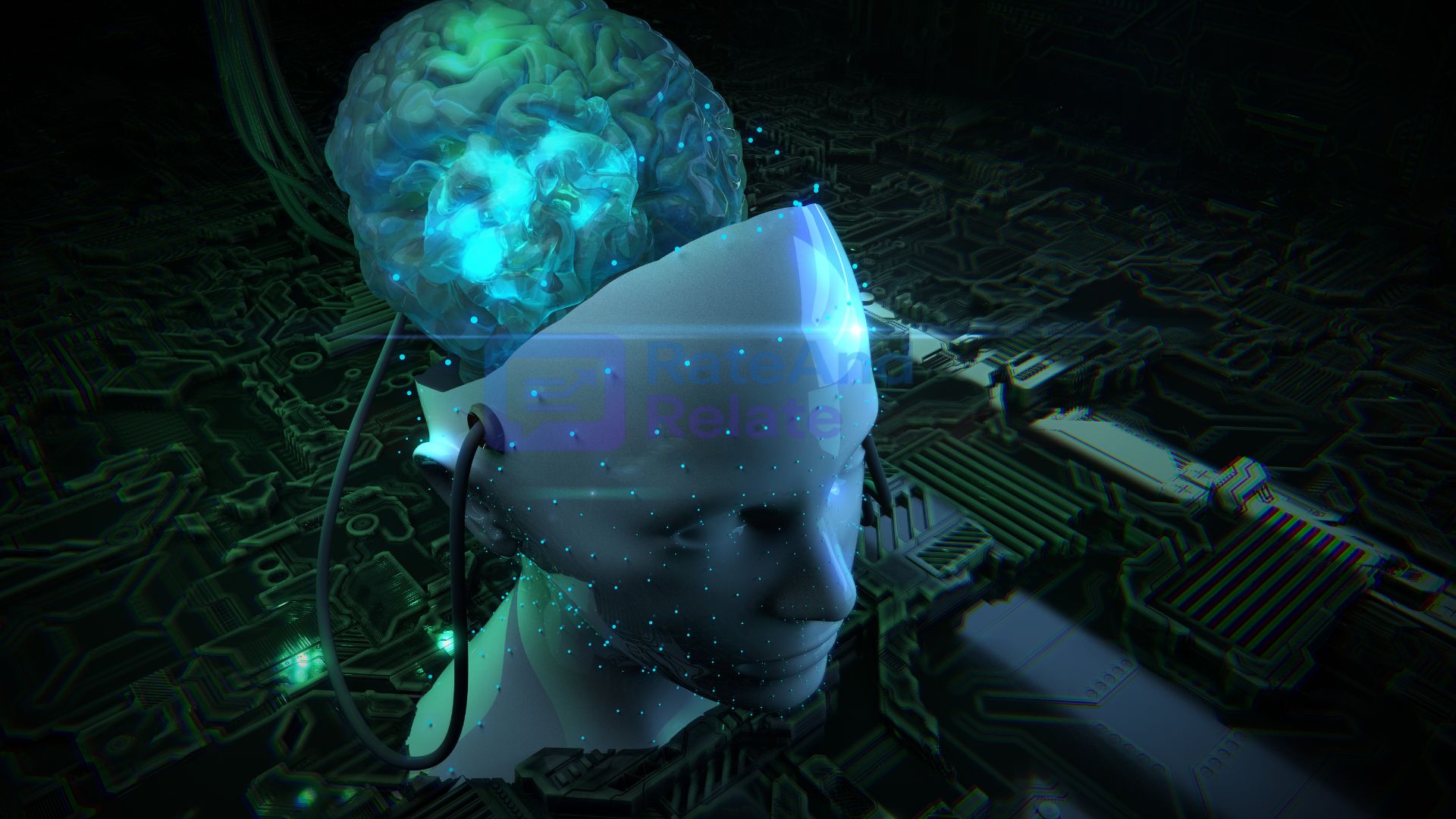

Imagine typing an email, drawing a picture, or composing music — not with your hands, but with your thoughts. This is no longer science fiction. The neurotechnology revolution, driven by advances in Brain-Computer Interfaces (BCIs), is bringing us closer to a future where the mind directly communicates with machines. It’s a breakthrough that could transform healthcare, creativity, and human potential itself.
Understanding Neurotechnology
Neurotechnology refers to tools that interact directly with the brain’s neural system — either by recording brain signals, stimulating neural activity, or both. The most exciting part of this field is the Brain-Computer Interface (BCI) — a system that decodes electrical signals from the brain and translates them into digital commands.
When you think about moving your hand, your brain sends electrical impulses. BCIs can detect those impulses through sensors (implanted or external) and use machine learning algorithms to interpret them. That means your thoughts can control a robotic arm, a wheelchair, or even a smartphone — creating new pathways between the human brain and technology.
How BCIs Are Changing Lives
The early applications of neurotech are already life-changing. For people with paralysis, BCIs are restoring mobility and communication. In 2023, Neuralink (founded by Elon Musk) successfully implanted a chip in a human brain that allowed a paralyzed patient to control a computer cursor using thought alone. Similarly, researchers at Stanford University developed a “speech prosthesis” that helps people with neurological disorders communicate by converting brain signals into words.
Beyond medicine, BCIs are entering creative fields. Artists and musicians are using brainwave-reading headsets to compose music or create visual art purely through thought. These projects blur the line between imagination and creation — giving rise to a new genre of mind-powered art.
Neurotech in Communication and Creativity
Imagine communicating without speaking or typing — your ideas flow directly from your brain into another person’s device. This is the vision of neural communication, where BCIs could transmit emotions, thoughts, or even visual images.
Companies like Meta (Facebook) are exploring “silent speech” technology — decoding brain signals related to internal speech so users can send messages just by thinking. In the creative realm, startups are developing tools that allow designers to “sketch” or “compose” simply by imagining shapes or sounds, powered by real-time brainwave interpretation.
The result? A world where creativity is limited only by imagination, not by physical tools.
The Science Behind the Interface
BCIs typically involve three steps:
- Signal Detection – Electrodes or sensors capture brain activity (through EEG or implanted chips).
- Signal Processing – AI algorithms decode these patterns to identify intentions (e.g., moving a cursor or selecting a letter).
- Action Execution – The system performs the intended task, bridging thought and action.
AI plays a crucial role here — it learns to recognize each individual’s unique neural “fingerprint,” improving accuracy over time. As machine learning evolves, BCIs will become more seamless, intuitive, and affordable.
Challenges and Ethical Questions
Despite its promise, neurotechnology raises serious ethical and privacy concerns.
- Data Privacy: Brain data is the most personal data imaginable. Who owns it? How can it be protected?
- Security: Could hackers access or manipulate brain signals?
- Consent and Autonomy: How do we ensure people fully understand and control what’s being recorded or influenced?
Experts are calling for clear global guidelines to prevent misuse while allowing innovation.
Augmenting the Human Mind
The neurotech revolution could eventually enable “augmented intelligence” — where humans enhance memory, creativity, and problem-solving using AI integrated directly with the brain. Instead of searching the web, we might one day “think” a question and receive the answer instantly.
In education, creativity, and even therapy, this fusion of biology and technology could unlock hidden human potential. But it also demands careful consideration of ethics, equity, and accessibility — ensuring this power benefits all, not just a few.
The Mind as the Next Frontier
The merging of mind and machine marks one of humanity’s greatest frontiers. Neurotechnology isn’t about replacing humans — it’s about expanding what it means to be human. By transforming thought into action and imagination into reality, BCIs could make communication faster, art more expressive, and innovation limitless.
The question is no longer if we can connect our minds to machines — but how responsibly we choose to do it.