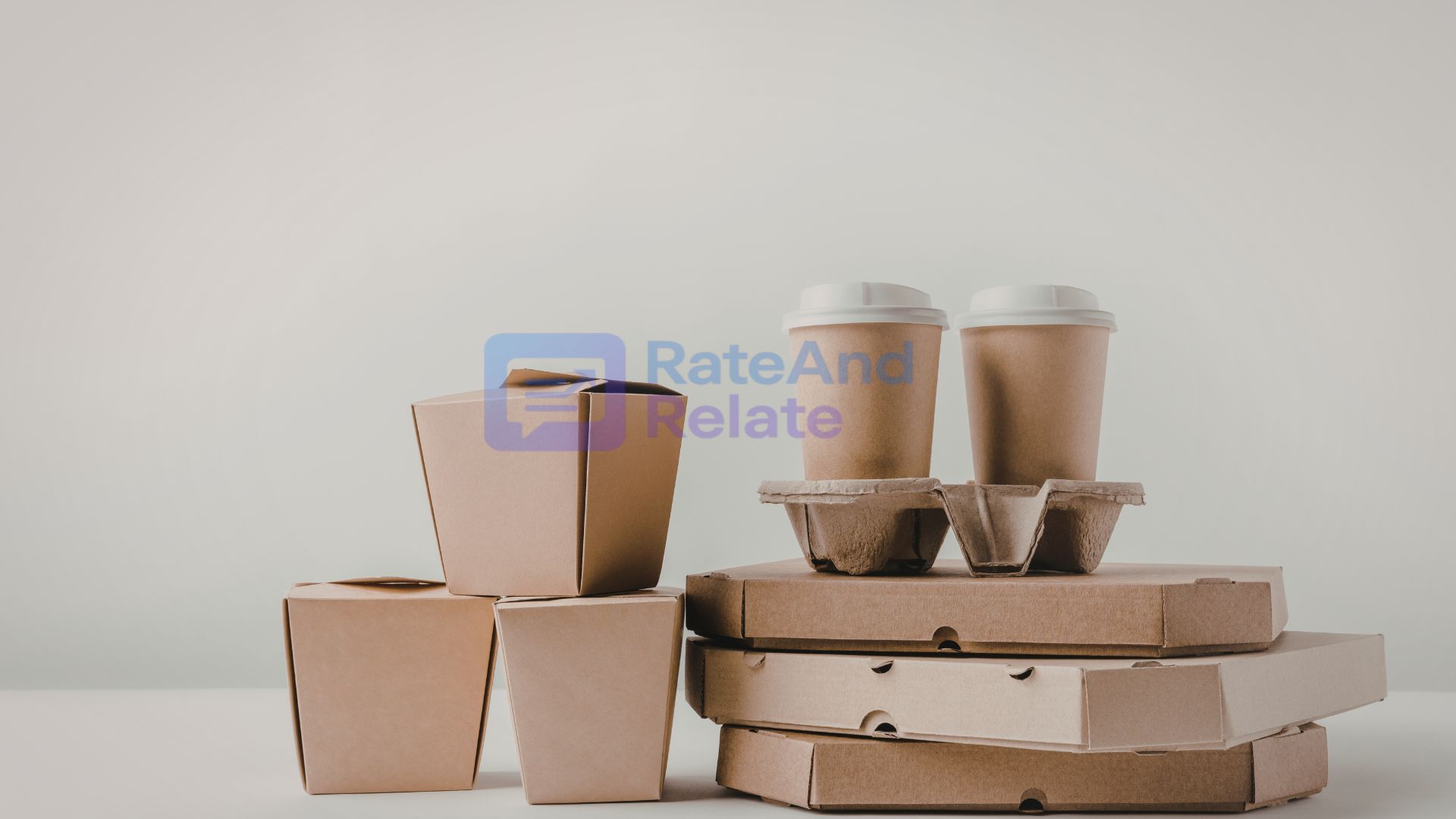

In a quiet factory on the outskirts, a small startup called is turning sugarcane waste into sturdy, biodegradable food containers. Just a few years ago, the same waste would have been burned, contributing to pollution. Today, it’s helping restaurants across India cut down on plastic use. This is the new face of business innovation — one that’s both profitable and planet-friendly.
The Push Toward Sustainability
The global packaging industry is undergoing a major transformation. With mounting concerns about plastic pollution — India alone generates over 3.5 million tonnes of plastic waste annually — companies are rethinking how they package products.
The government’s Plastic Waste Management Rules (2016, amended in 2022) and bans on single-use plastics have accelerated this change. But what started as a compliance exercise has evolved into a strategic opportunity. Businesses now see sustainable packaging not just as a moral duty, but as a way to attract environmentally conscious consumers and cut long-term costs.
Innovation at Work
Across industries, innovation is reshaping packaging:
- Edible Packaging: Startups are developing seaweed-based films and rice starch wrappers that can be safely eaten or composted.
- Plant-Based Plastics: Bio-polymers derived from corn starch or sugarcane bagasse are replacing petroleum-based plastics.
- Minimalist Design: Brands like Unilever and ITC are reducing material layers and using mono-material packs for easy recycling.
- Reusable Packaging Models: E-commerce companies are piloting returnable delivery boxes and refill systems to minimize single-use waste.
Each innovation represents a shift from linear “use-and-dispose” models to a circular economy, where materials flow back into the production cycle.
Corporate Examples Leading the Way
- Tata Consumer Products is using recyclable tea pouches and experimenting with compostable film packaging.
- Coca-Cola India has pledged to make all packaging 100% recyclable by 2030.
- Amazon India eliminated single-use plastic packaging in its fulfillment centers in 2020 and now uses paper-based mailers.
Meanwhile, smaller enterprises like BioPack Labs are filling the innovation gap with flexible, scalable solutions for local businesses — from cafes to cosmetics brands.
Challenges in Scaling Up
Despite progress, sustainable packaging faces challenges:
- High initial costs for eco-friendly materials.
- Lack of recycling infrastructure in smaller cities.
- Limited consumer awareness about proper disposal methods.
However, as demand grows and economies of scale kick in, costs are expected to fall. Government incentives for compostable materials and recycling plants can also make the shift smoother.
A Green Business Opportunity
What began as a regulatory pressure point is now driving product differentiation and innovation. Global studies show that over 60% of consumers prefer sustainable packaging, especially in urban India. Brands that adapt early gain reputational benefits and long-term customer loyalty.
As circular design becomes central to brand identity, packaging is no longer just a container — it’s a statement of purpose.
Sustainable packaging isn’t just about materials; it’s about rethinking the business model. From rural innovators repurposing agricultural waste to multinational corporations pledging carbon-neutral logistics, the shift is clear: the future of packaging is regenerative, not disposable.