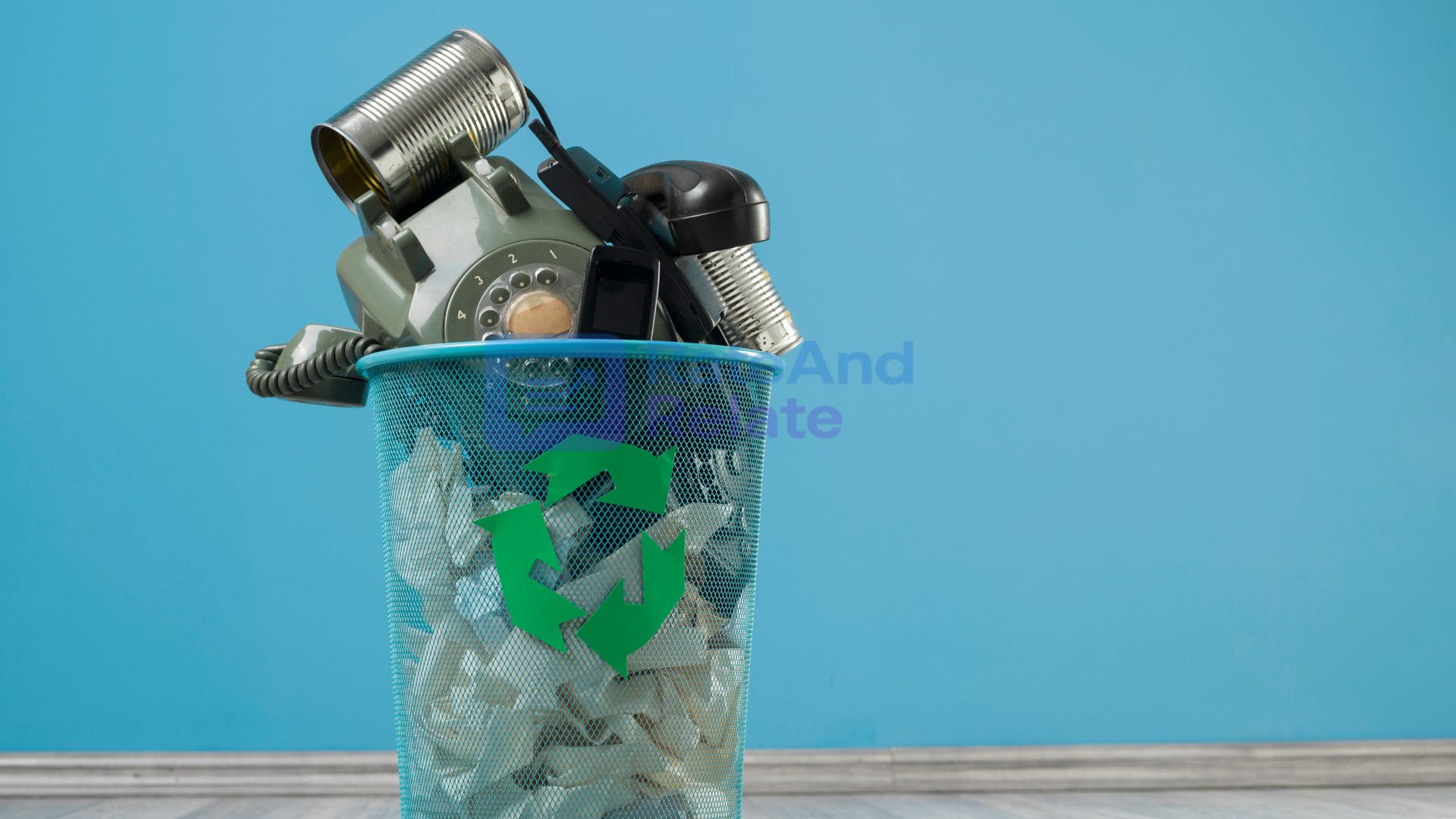

India, one of the world’s largest consumers of electronics, is also among the top producers of electronic waste (e-waste). With rapid urbanization, digitalization, and shorter product lifecycles, the country generates over 1.7 million tonnes of e-waste annually, according to CPCB estimates. Managing this growing mountain of discarded gadgets has become a pressing environmental and policy challenge.
Understanding E-Waste and Its Impact
E-waste includes discarded electrical and electronic devices—such as mobile phones, laptops, televisions, and household appliances—that often contain hazardous substances like lead, mercury, and cadmium. Improper disposal leads to soil and water contamination, air pollution from burning, and serious health risks for informal workers who manually dismantle electronics without safety measures.
Thus, effective laws and a structured recycling ecosystem are essential to balance technological progress with environmental sustainability.
Evolution of E-Waste Management Laws in India
India introduced its first comprehensive legislation for e-waste management in 2011, under the E-Waste (Management and Handling) Rules, notified by the Ministry of Environment, Forest and Climate Change (MoEFCC). These rules were further strengthened through amendments in 2016, 2018, and 2022 to adapt to changing industrial practices and global environmental standards.
Key highlights include:
- Extended Producer Responsibility (EPR): Producers, importers, and brand owners are legally obligated to collect and recycle a specified quantity of e-waste generated from their products.
- Authorization and Registration: Producers, recyclers, dismantlers, and refurbishers must register with the Central Pollution Control Board (CPCB).
- Collection Mechanisms: Establishment of take-back systems, collection centers, and reverse logistics for e-waste.
- Annual Compliance Reports: Mandatory reporting of collection and recycling data.
The E-Waste (Management) Rules, 2022 introduced a digital EPR portal, simplifying compliance and increasing transparency in waste tracking.
The Recycling and Recovery Ecosystem
India’s formal e-waste recycling ecosystem is still developing, though expanding rapidly. Over 500 authorized recyclers are now registered across states, with major hubs in Delhi, Maharashtra, Tamil Nadu, Karnataka, and Gujarat.
Recyclers use advanced processes such as mechanical shredding, magnetic separation, and hydrometallurgical recovery to extract valuable materials like gold, copper, and rare earth elements. These resources are then reintroduced into the manufacturing chain, supporting a circular economy.
However, a large portion of India’s e-waste—nearly 80%—is still handled by the informal sector, where safety, efficiency, and environmental standards are poor. Integrating these informal workers into the formal recycling system remains a major challenge and opportunity.
Challenges in Enforcement
Despite strong legal frameworks, enforcement faces hurdles:
- Low Awareness: Consumers often dispose of electronics as regular waste.
- Informal Sector Dominance: Unregulated recycling persists due to lower costs and convenience.
- Lack of Collection Infrastructure: Limited number of collection points in semi-urban and rural areas.
- Compliance Gaps: Many producers underreport e-waste data or fail to meet EPR targets.
Strengthening inspection mechanisms, digital tracking, and public awareness campaigns is vital to improve compliance.
Toward a Circular and Sustainable Future
India’s e-waste management strategy is gradually shifting from reactive disposal to proactive resource recovery. Partnerships between government bodies, startups, and large manufacturers are fostering innovation in urban mining, AI-based waste segregation, and eco-design of electronics.
Initiatives like Swachh Digital Bharat and the LiFE (Lifestyle for Environment) campaign encourage consumers to adopt responsible disposal habits. Meanwhile, the 2022 rules’ emphasis on digital monitoring is helping curb greenwashing and promote accountability.
India’s e-waste management laws represent a significant step toward sustainable industrial development. While policy mechanisms like EPR and authorized recycling facilities have laid the groundwork, the real transformation will come from enforcement, consumer participation, and technological innovation.
With coordinated action between the government, industry, and citizens, India can turn its e-waste challenge into a circular economy opportunity, ensuring cleaner cities and a greener digital future.