
Agriculture remains the backbone of India’s economy, employing nearly 43% of the workforce and contributing around 17–18% to the GDP. Over the years, the government has introduced several reforms to make Indian agriculture more productive, resilient, and technology-driven. Among these, Minimum Support Price (MSP), crop insurance, and agri-tech initiatives have emerged as key pillars of reform.
1. Minimum Support Price (MSP): Ensuring Income Stability
The MSP system, introduced in the 1960s, serves as a price guarantee mechanism to protect farmers from distress sales. The government announces MSPs for 23 crops before every sowing season, based on recommendations from the Commission for Agricultural Costs and Prices (CACP).
Key objectives:
- Provide a floor price for farmers against market fluctuations.
- Encourage production of essential food crops.
- Ensure food security through government procurement (mainly wheat and paddy).
Recent reforms:
- Direct digital payments for MSP procurement.
- Efforts to expand MSP coverage beyond rice and wheat to pulses, oilseeds, and coarse cereals.
- Integration of e-NAM (National Agriculture Market) for transparent price discovery.
Challenges:
- Limited procurement coverage (benefits mostly large farmers in a few states).
- Rising fiscal burden on the government.
- Market distortions leading to overproduction of certain crops.
Way forward: Reforming MSP into a price deficiency payment system and expanding procurement for diversified crops can ensure inclusivity and sustainability.
2. Crop Insurance: Protecting Farmers from Risk
Agriculture in India is highly climate-dependent, making farmers vulnerable to droughts, floods, and pest attacks. To address this, the government launched the Pradhan Mantri Fasal Bima Yojana (PMFBY) in 2016.
Salient features:
- Uniform premium rates (2% for Kharif, 1.5% for Rabi, 5% for horticulture/commercial crops).
- Covers yield losses, post-harvest losses, and localised calamities.
- Use of remote sensing and drones for faster claim assessment.
Impact:
- Over 8 crore farmer applications since inception.
- Coverage expanded to ~30% of gross cropped area.
- Faster digital claim settlements through integration with Aadhaar and bank accounts.
Challenges:
- Delayed compensation in some regions.
- Low awareness among small and marginal farmers.
- Need for better transparency in yield estimation.
Way forward: Strengthening digital monitoring, public-private partnerships, and satellite-based insurance data can make the scheme more effective.
3. Agri-Tech Initiatives: The New Revolution
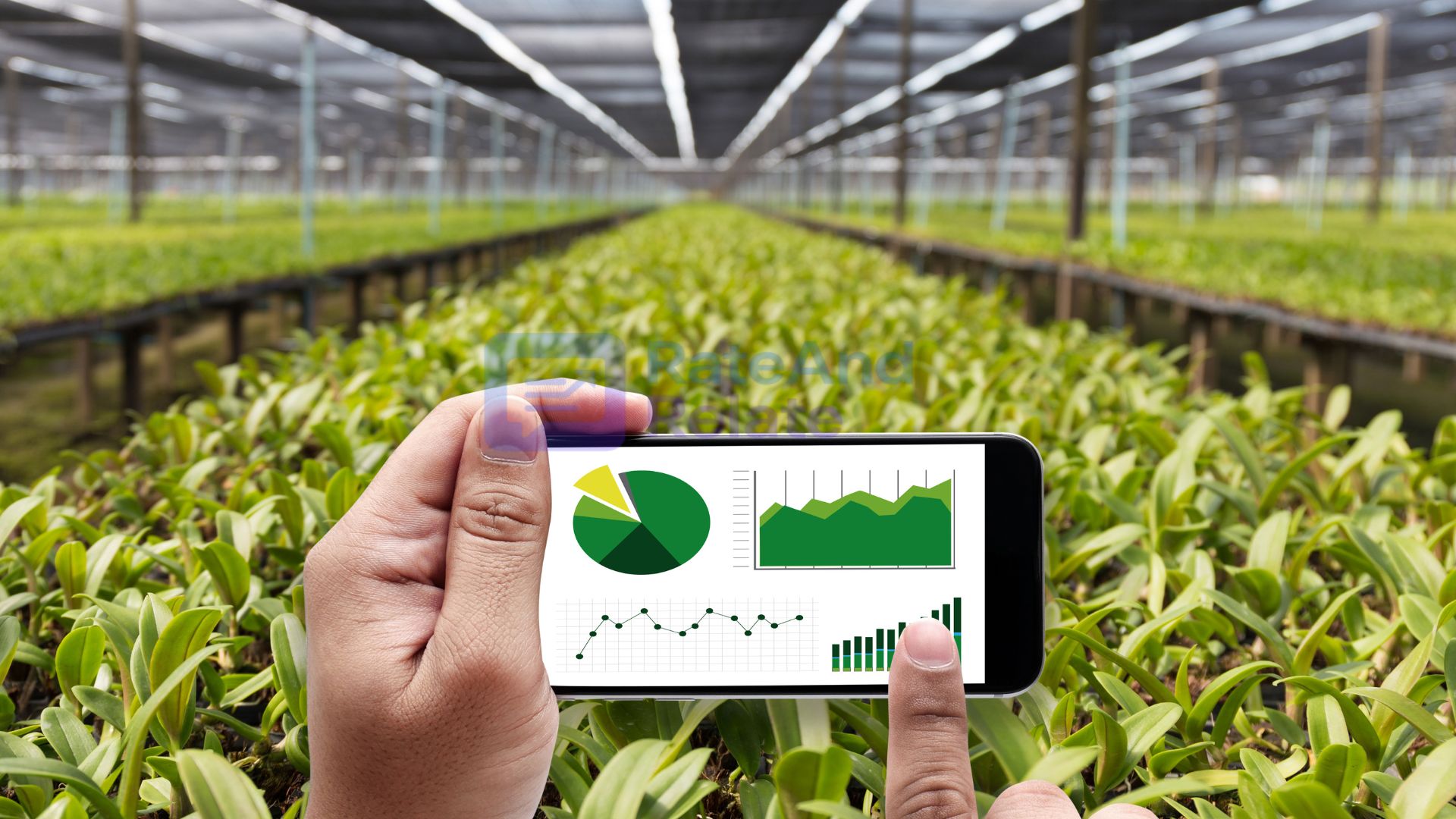
The future of Indian agriculture lies in technology integration — from soil to smartphone. Agri-tech aims to enhance productivity, reduce waste, and connect farmers directly to markets.
Key initiatives and trends:
- Digital Agriculture Mission (2021–26): Promotes AI, IoT, and blockchain in farming.
- AgriStack: A digital database of farmers to enable targeted subsidies and crop planning.
- Drone technology: Used for crop spraying, land mapping, and weather-based decision-making.
- Startups & private sector: Platforms like DeHaat, Ninjacart, and CropIn are empowering farmers with data, logistics, and market linkages.
- Precision farming: Leveraging sensors, satellite imagery, and analytics to optimize resource use.
Benefits:
- Higher yield and reduced input costs.
- Real-time weather and market data.
- Empowered farmers with better decision-making tools.
Toward a Resilient and Modern Agriculture
India’s agricultural reforms reflect a shift from subsistence to sustainability and smart farming. MSP ensures price stability, crop insurance provides risk cover, and agri-tech brings innovation to the field. Together, these reforms are reshaping the rural economy, aiming to double farmers’ income and make Indian agriculture climate-smart, competitive, and globally integrated.
The challenge ahead is to ensure equity, inclusivity, and technological accessibility for small and marginal farmers. If achieved, India’s agricultural transformation could become a global model for balancing productivity, profitability, and sustainability.