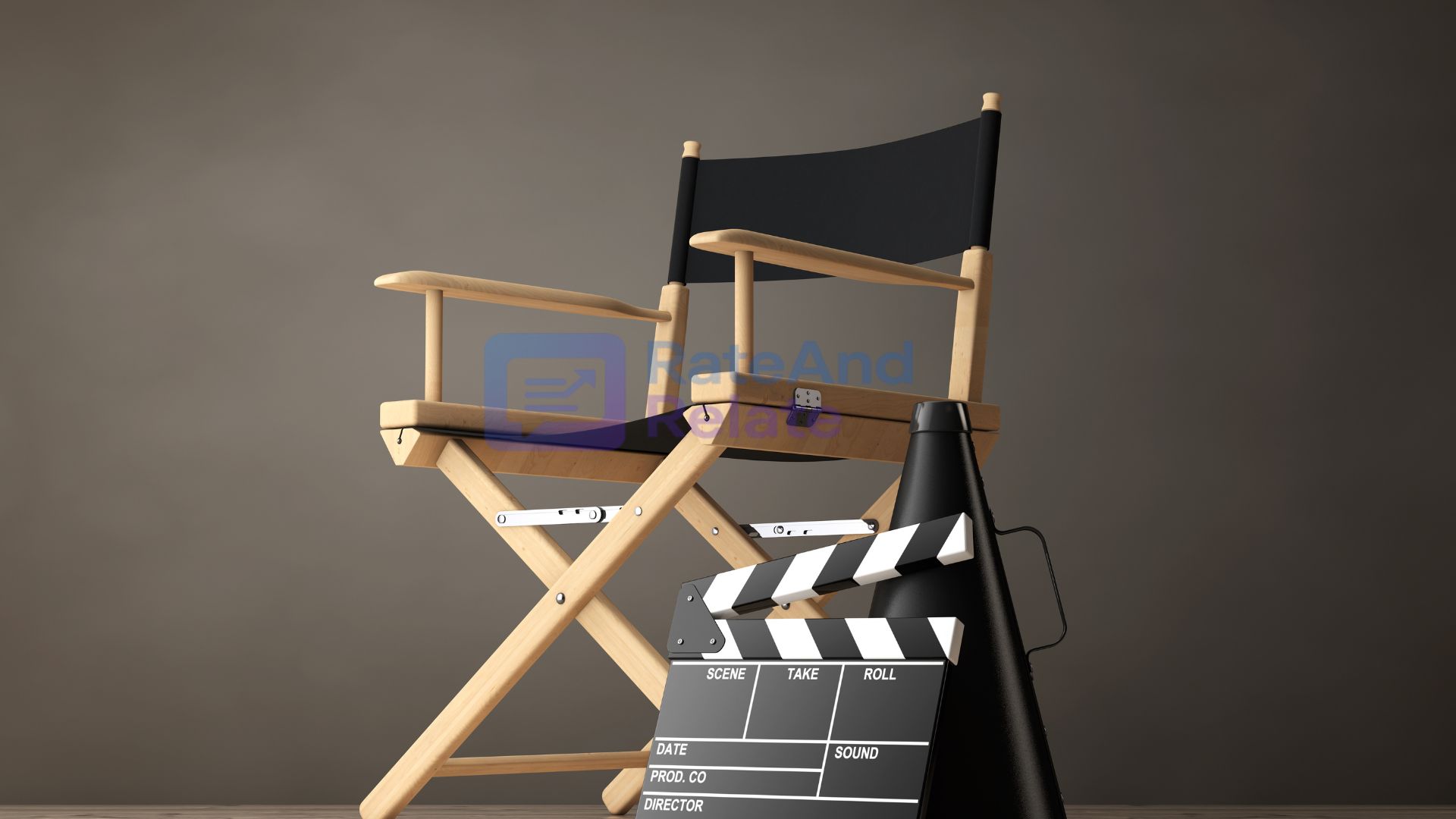

Cinema has always been a mirror of society, reflecting its dreams, struggles, and transformations. While women have long illuminated the screen as actors, their presence behind the camera — as directors, producers, writers, cinematographers, editors, and technicians — has historically been limited.
However, in recent years, a quiet revolution is unfolding in global and Indian cinema: women are reclaiming their space in film production, challenging stereotypes, and reshaping the creative and operational backbone of the industry.
The Gender Gap in Film Production
For decades, film production was dominated by men — both in decision-making and technical roles. Women were often confined to costume design, choreography, or supporting creative positions. According to global film studies, less than 20% of top-grossing films have women in key production roles.
In India, the imbalance is even more visible. Though Indian cinema is one of the world’s largest industries, the representation of women in production, cinematography, and direction remains modest. This disparity stems from several factors:
- Gender bias in hiring and funding.
- Lack of mentorship and networking opportunities for women.
- Safety and logistical challenges during on-location shoots.
- Perception bias — where leadership and technical skill are still seen as “male domains.”
Breaking Barriers: A New Wave of Women Creators
A new generation of women filmmakers is redefining the landscape of Indian and global cinema. They bring fresh perspectives, unique narratives, and an empathetic lens to storytelling and production.
- Zoya Akhtar and Reema Kagti co-founded Tiger Baby Films, producing thought-provoking content like Made in Heaven and Gully Boy — showcasing urban realism and gender diversity.
- Guneet Monga, the producer of The Elephant Whisperers (which won an Oscar), has built a space for authentic, independent cinema with her company Sikhya Entertainment.
- Meenakshi Shedde, Nandita Das, Alankrita Shrivastava, and Ashwiny Iyer Tiwari have all carved a niche by telling stories that challenge gender stereotypes.
- Behind the camera, female cinematographers like Priya Seth, Fowzia Fathima, and Savita Singh are proving that artistry and technology go hand in hand — regardless of gender.
These women aren’t just making films; they are restructuring how films are made — fostering inclusive sets, equitable pay, and balanced representation in crews.
Challenges That Persist
Despite visible progress, several barriers still limit gender equity behind the camera:
- Funding Bias: Female filmmakers often face greater difficulty securing financing or distribution deals.
- Workplace Safety & Harassment: The #MeToo movement in India exposed systemic exploitation in the industry, calling for stronger redressal mechanisms.
- Recognition Gap: Women are underrepresented in major film awards, festivals, and guilds.
- Unequal Pay: Even in technical departments, women often earn less than male counterparts with similar experience.
- Stereotyping: Women are frequently assigned “soft” projects — family dramas, romance — while action or big-budget productions remain male-dominated.
The Business Case for Gender Equity
Beyond ethics, gender equity is good business. Research shows that diverse creative teams yield:
- Richer storytelling — offering perspectives that resonate with broader audiences.
- Improved profitability — diverse teams enhance innovation and risk assessment.
- Brand credibility — audiences increasingly support inclusive production houses.
Streaming platforms like Netflix, Prime Video, and Disney+ Hotstar are now promoting inclusive creators’ programs and diversity quotas. Internationally, studios like Warner Bros. and BBC Studios have committed to 50:50 gender representation targets in production.
Policy and Industry Support
The change must be systemic. Some key initiatives driving progress include:
- Film school programs and mentorships encouraging women to take up technical filmmaking roles.
- Funding grants for women-led projects by film boards and OTT platforms.
- Safe workplace mandates under POSH (Prevention of Sexual Harassment) compliance.
- Industry advocacy groups like the Indian Women Cinematographers’ Collective (IWCC) and Women in Film and Television India (WIFTI), which mentor and network emerging talent.
The Road Ahead
True gender equity behind the camera requires equal opportunity, recognition, and respect. It’s not enough to celebrate a few successful women; the system must support thousands more.
Film schools, production houses, and governments need to ensure:
- Transparent recruitment and pay structures.
- Safe, inclusive, and flexible work environments.
- Gender-neutral access to funding, training, and leadership positions.
As audiences evolve, so too must the creators who shape their stories. Women in production bring a sensitivity to storytelling that broadens how cinema sees — and serves — society.
The future of cinema lies in diverse voices telling universal stories. As more women step behind the camera, film becomes not just entertainment, but empowerment. The rise of female producers, directors, and technicians is not a trend — it’s a transformation.
True gender equity in film production won’t just change who makes movies; it will redefine what stories are told, how they are told, and who gets to be seen and heard.