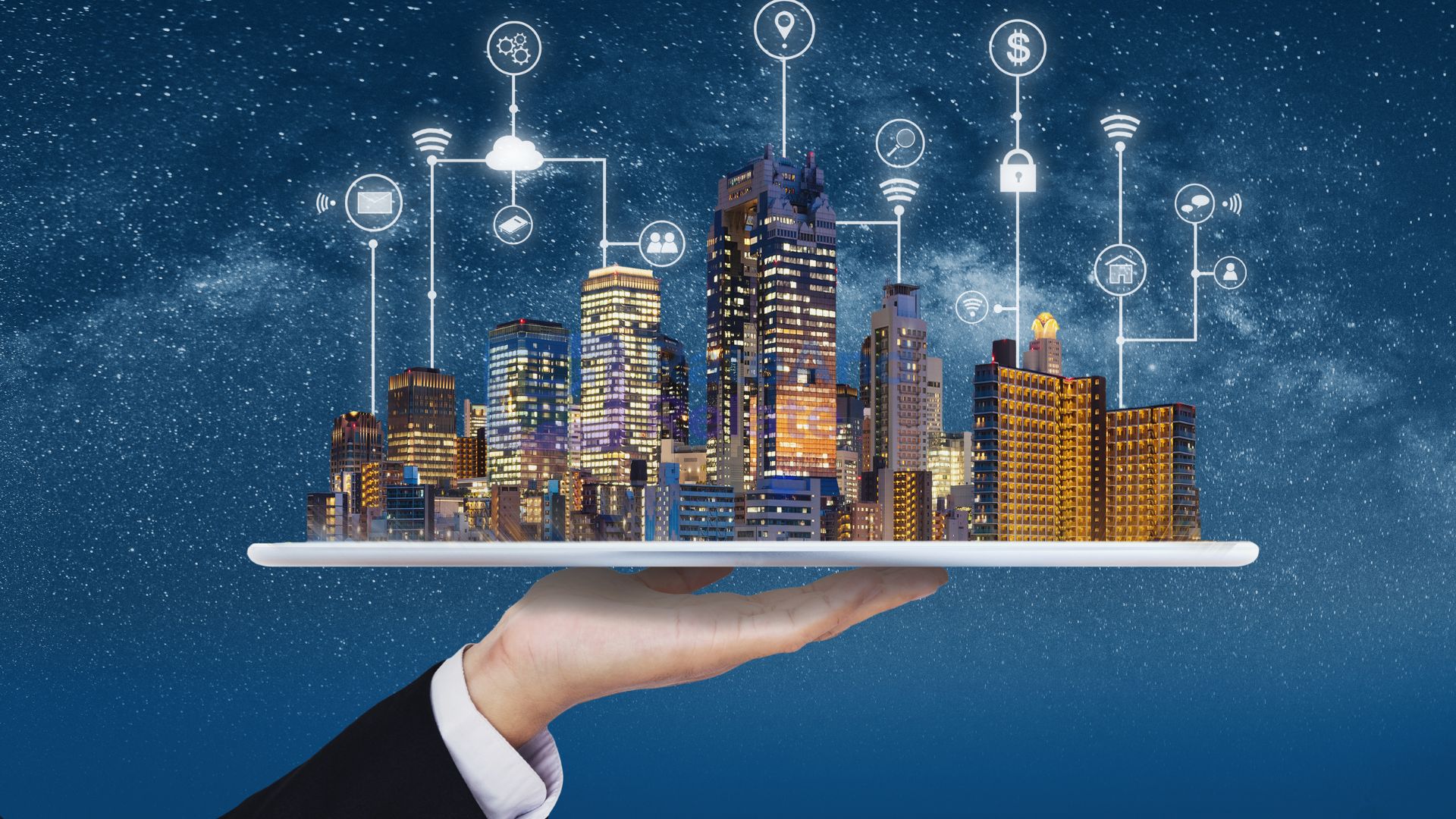

As the world moves deeper into the digital age, cities are transforming into smart ecosystems — spaces where technology, sustainability, and human needs intersect. The vision of smart cities is no longer futuristic; it’s unfolding now across the globe, and India is one of the most ambitious players in this movement.
Smart cities represent more than just technological upgrades — they reflect a reimagining of urban life, aiming to make cities more efficient, inclusive, and responsive to the needs of citizens.
What is a Smart City?
A smart city uses technology and data to improve the quality of life, enhance urban services, and promote sustainability. It integrates IoT (Internet of Things) devices, AI-driven analytics, renewable energy, and digital infrastructure to optimize how cities function — from traffic management to waste disposal.
In essence, a smart city is a living network — a system that learns from its residents, adapts to challenges, and evolves to meet future needs.
Smart Cities in India: A Growing Vision
India’s Smart Cities Mission, launched in 2015, set out to modernize 100 cities by improving urban infrastructure, e-governance, and sustainability. Cities like Pune, Surat, Ahmedabad, Indore, and Bhopal have become testing grounds for these innovations.
Some key developments include:
- Intelligent Traffic Systems reducing congestion and improving road safety.
- Smart Waste Management using sensors and data analytics.
- E-Governance Platforms for faster citizen services and transparency.
- Green Buildings and Solar Infrastructure promoting sustainability.
- Digital Command Centres that monitor city operations in real time.
This approach is reshaping how cities operate — turning traditional urban centres into data-driven, environmentally conscious communities.
Technology at the Heart of Smart Living
Smart cities rely on a network of interconnected technologies:
- IoT Sensors monitor air quality, water usage, and energy consumption.
- AI and Big Data help predict and solve urban problems before they escalate.
- Blockchain enhances transparency in governance and smart contracts.
- 5G Connectivity ensures faster, real-time communication across systems.
- Autonomous Public Transport reduces traffic and emissions.
These innovations are not just conveniences — they are tools for empowerment, helping citizens make informed decisions and encouraging participatory urban management.
Sustainability: The Core of Smart Cities
At the heart of every smart city lies the goal of sustainable development. As urban populations grow, balancing growth with environmental responsibility becomes essential.
Smart cities promote:
- Renewable energy integration (solar, wind, bioenergy).
- Smart grids for efficient power distribution.
- Water recycling and management systems.
- Green mobility — electric buses, bike-sharing, and pedestrian zones.
- Urban farming and green spaces for healthier living environments.
These innovations not only reduce environmental footprints but also enhance resilience against climate change and resource scarcity.
The Human-Centric Approach
While technology drives the smart city revolution, the true focus must remain on people. Smart living is not about replacing humans with machines — it’s about enhancing quality of life through better accessibility, inclusion, and safety.
For instance:
- Smart health services can provide remote medical consultations.
- Digital education platforms bridge learning gaps.
- Smart safety systems improve urban security through predictive analytics.
- Accessible infrastructure supports the elderly and differently-abled.
A truly smart city is empathetic and equitable, not just efficient.
The Future of Urban Living
As smart cities evolve, urban living will become more personalized, efficient, and interconnected. Workplaces will merge with living spaces through digital infrastructure, transportation will become autonomous, and homes will communicate directly with city systems.
In India, the next decade will likely see cities transitioning from basic digital upgrades to AI-driven ecosystems — where every streetlight, building, and vehicle contributes to a real-time urban intelligence network.
But success will depend on collaboration between governments, private players, and citizens. Smart cities are not built by technology alone — they thrive through participation, trust, and innovation.
Towards Smarter, Greener, and Kinder Cities
Smart cities symbolize the future of human progress — blending technology with sustainability, and intelligence with empathy. They hold the promise of cleaner air, safer streets, efficient governance, and inclusive growth.
However, the ultimate goal is not just to build “smart” infrastructure — it’s to create wise cities, where innovation serves humanity, and progress is measured not only by connectivity but by community.