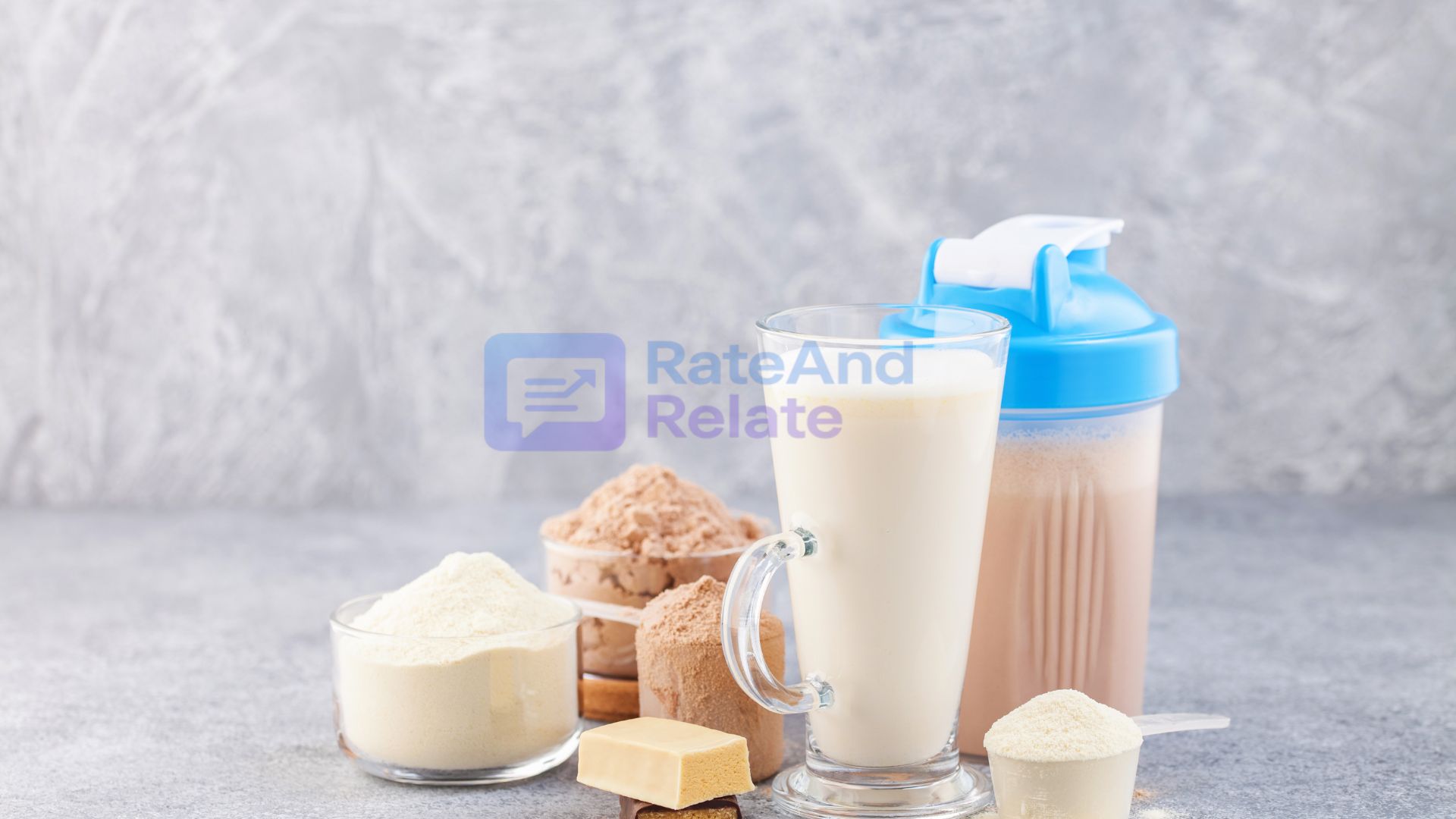

India’s food and beverage landscape is witnessing a major transformation. With growing health consciousness, changing dietary preferences, and celebrity-driven campaigns, protein-centric marketing has emerged as the next big trend.
From McDonald’s launching “Protein Plus” burgers to Amul introducing high-protein milk and Protinex partnering with Bollywood icons — brands are tapping into India’s nutritional awakening.
The Protein Deficit Reality
Despite being one of the largest producers of dairy and pulses, India faces a severe protein deficiency problem.
According to a 2025 Reuters report, around 73% of Indians fail to meet daily protein intake requirements. Vegetarian diets, combined with misconceptions that protein is only for gym-goers, have widened this gap.
This has created fertile ground for marketers to position protein-rich products as lifestyle essentials, not just supplements.
How Brands Are Responding
1. Fast-Food Goes Functional
- McDonald’s India introduced a “Protein Plus” menu with fortified burger patties and vegetarian protein slices.
- The campaign used cricket stars and Bollywood influencers to portray protein as cool, convenient, and necessary for daily energy.
- This move reflects how quick-service restaurants are rebranding themselves as “smart nutrition providers” rather than indulgent food chains.
2. Dairy Industry Reinvention
- Amul, India’s dairy leader, launched products like Amul Pro, Amul High Protein Buttermilk, and Amul Whey Protein Milk.
- The brand’s messaging focuses on strength, performance, and daily wellness — targeting urban professionals and youth who seek easy nutrition options.
3. Nutrition Brands Leverage Celebrity Power
- Protinex roped in celebrities such as Bipasha Basu, Sania Mirza, and Ravi Kishan to amplify awareness about everyday protein needs.
- The campaign tagline — “Protein for Everyone, Every Day” — reframes protein from a gym supplement to a family necessity.
Marketing Strategies Behind the Trend
1. Health Positioning Meets Emotional Appeal
Brands are connecting health benefits with emotional messaging — “strong families, energetic mornings, active lifestyle.”
Instead of technical nutrition talk, campaigns now appeal to aspiration and self-care.
2. Influencer and Celebrity Credibility
Cricketers, film stars, and fitness influencers bring authenticity to protein messaging. They transform nutritional advice into aspirational behavior — a vital factor in India’s celebrity-driven consumer market.
3. Localization and Inclusivity
Marketers emphasize vegetarian and affordable protein sources like lentils, milk, and paneer — aligning wellness marketing with India’s dietary norms and middle-class values.
4. Digital Storytelling and Short-Form Content
Brands are leveraging Instagram Reels, YouTube Shorts, and regional content creators to make wellness relatable. Hashtags like #ProteinForAll and #EverydayStrong dominate wellness campaigns.
Why It Matters
1. Shifting Consumer Mindsets
Protein is no longer niche — it’s becoming a mainstream lifestyle category. Even traditional FMCG players are adding protein claims to snacks, drinks, and ready-to-eat meals.
2. Rise of Health-Tech & Data-Driven Marketing
Brands now collaborate with fitness apps and health platforms to personalize nutrition recommendations and target digital consumers effectively.
3. Growth of Functional Foods Market
India’s functional food and beverage market is projected to cross $25 billion by 2027, fueled by rising demand for protein-fortified and immunity-boosting products.
India’s wellness marketing around protein is more than a passing fad — it represents a cultural shift in how Indians view food, fitness, and health.
From burgers to buttermilk, protein is being rebranded as the foundation of everyday vitality.
As consumers demand products that nourish body and identity alike, the next wave of marketing innovation will blend nutrition science, digital storytelling, and cultural empathy — proving that in modern India, wellness truly sells.