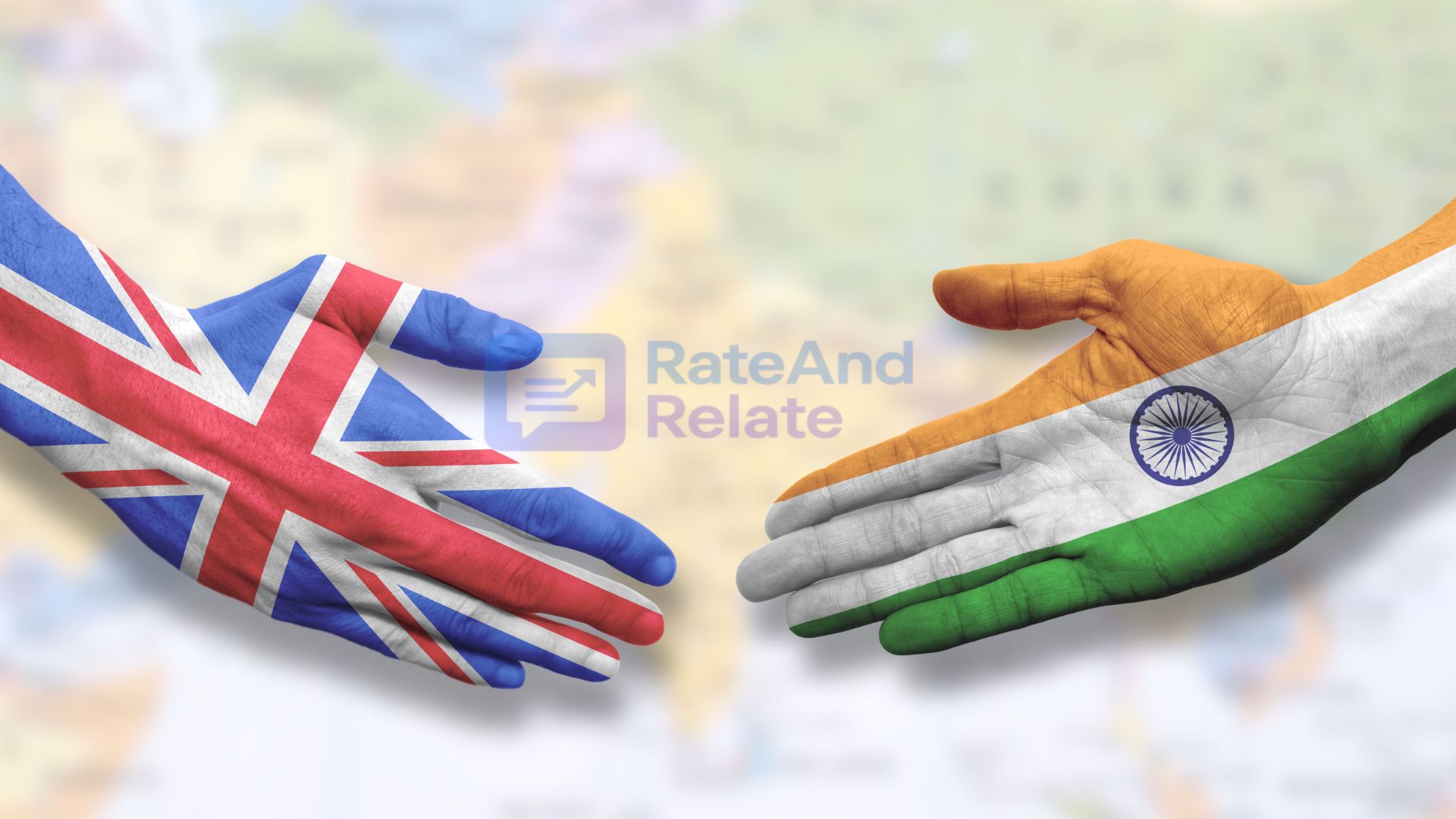

British Prime Minister Keir Starmer recently wrapped up his much-anticipated visit to India — and it’s safe to say, this wasn’t just another diplomatic handshake tour. His agenda was clear: strengthen trade, deepen strategic cooperation, and support India’s rightful place on the global stage.
Let’s break down what this visit means for both countries — and the world.
A Visit with Purpose
This was Starmer’s first official visit to India as Prime Minister, and it came at a crucial moment. Both economies are looking outward — India as a global growth engine, and the UK as it defines its post-Brexit identity.
Accompanied by business leaders, tech experts, and policy advisors, Starmer landed in New Delhi with a mission: to turn the UK-India partnership into one of the defining relationships of this decade.
The Trade Pact: Turning Words into Work
Earlier this year, India and the UK signed a Comprehensive Economic and Trade Agreement (CETA). During his visit, Starmer emphasized one thing — “Now it’s time to make it real.”
The trade pact aims to:
- Cut tariffs on goods like food, whisky, and manufactured products
- Open up opportunities in services, digital trade, and technology
- Encourage cross-border investments and job creation
- Expand cooperation in education, with more UK universities planning to open campuses in India
Both leaders — Prime Minister Narendra Modi and Keir Starmer — have set an ambitious goal: to double bilateral trade by 2030.
That’s big. Currently, trade between the two nations stands at around $56 billion — they want to push it to $100 billion within five years.
Beyond Trade: Tech, Defence, and Innovation
Starmer’s agenda wasn’t limited to trade. The two countries also agreed to ramp up cooperation in:
- Artificial Intelligence and Research Innovation
- Critical Minerals & Clean Energy
- Defence and Maritime Security
The UK and India are already conducting joint military exercises, and this visit solidified that partnership. A new joint defence agreement is expected to enhance training, technology exchange, and security in the Indo-Pacific region.
A Big Diplomatic Move — Backing India for the UN Security Council
Perhaps the most headline-grabbing moment came when Starmer publicly backed India’s bid for a permanent seat on the United Nations Security Council (UNSC).
In his speech, he said that “India’s global leadership, democracy, and growing economic power make it a natural fit for a permanent seat at the table.”
This is significant.
While the US and France have already supported India’s claim, the UK’s endorsement under Starmer adds new diplomatic weight. It signals recognition that the world’s governance system needs reform — and India must be part of that change.
Why This Visit Matters
For the UK:
Post-Brexit Britain is looking to forge stronger ties outside Europe. India’s booming economy, tech talent, and investment potential make it a natural partner.
For India:
Access to UK investment, innovation, and global influence — all while gaining another strong backer for its global ambitions.
For the World:
This partnership sends a clear message — major democracies are collaborating to shape a fairer, more representative world order.
The Challenges Ahead
Of course, no partnership is without its hurdles.
- Trade deal implementation takes time — regulatory hurdles and tariff adjustments are complex.
- UN reform is a long and political process.
- Domestic interests and economic pressures in both countries can slow progress.
But as both leaders have signaled — the intent is strong, and the direction is clear.
The Road Forward
The visit marks a turning point in UK–India relations.
From trade and tech to diplomacy and defence, the two nations are working to redefine what a modern global partnership looks like.
As Keir Starmer left India, one thing was evident — this relationship isn’t about nostalgia or colonial history anymore. It’s about equal partnership, shared growth, and shaping the 21st century together.
India and the UK are walking into a new era — one driven by trade, trust, and transformation. If both sides deliver on the promises made this week, the world will witness one of the most powerful democratic partnerships of the decade.