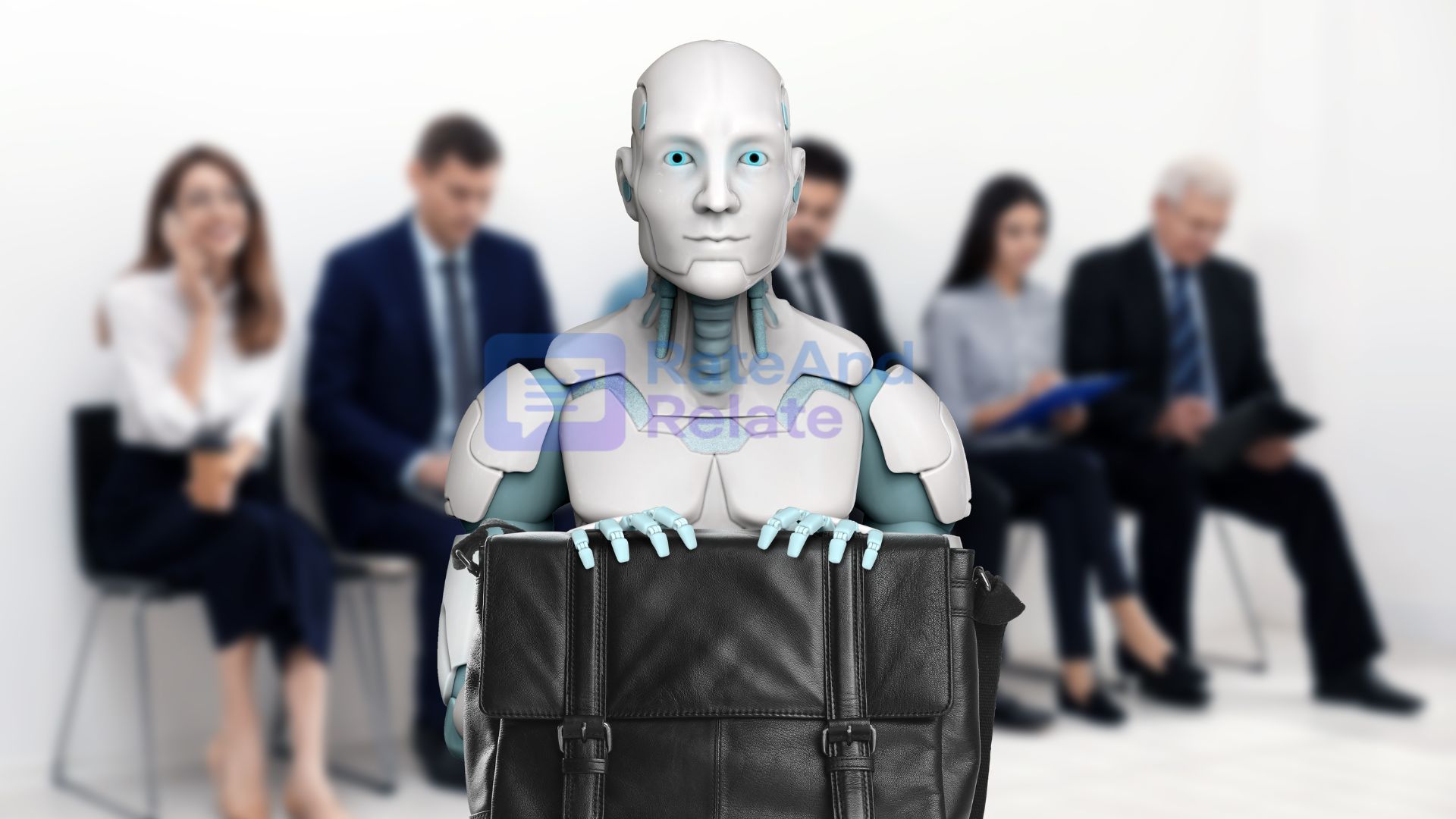

Artificial Intelligence (AI) is no longer a futuristic concept—it is actively transforming workplaces, reshaping the nature of jobs, and redefining the skills employees need to thrive. From automation in factories to AI-driven decision-making in offices, the impact of AI is profound, creating both opportunities and challenges for individuals, businesses, and policymakers.
AI’s Role in Transforming Jobs
AI technologies such as machine learning, natural language processing (NLP), computer vision, and robotic process automation (RPA) are increasingly capable of performing tasks that were traditionally handled by humans. These tasks range from routine, repetitive processes to complex analytical and even creative functions.
Key Changes AI Brings to Work:
- Automation of Routine Tasks
- Data entry, invoice processing, payroll management, and administrative reporting are increasingly handled by AI, reducing the need for human intervention in repetitive work.
- Example: Chatbots and virtual assistants can respond to thousands of customer queries simultaneously, replacing traditional call center roles.
- Enhancing Analytical and Decision-Making Roles
- AI can process and analyze massive datasets faster than humans, providing insights for business strategy, financial forecasting, and market research.
- Example: In banking, AI identifies fraudulent transactions by analyzing patterns in real-time, allowing human employees to focus on higher-value decision-making.
- Creative and Customer-Facing Roles
- AI tools now support content creation, video editing, design, and marketing campaigns, assisting humans rather than replacing them entirely.
- Example: AI-generated music, advertisements, and social media content require human oversight to ensure cultural relevance and creativity.
Employment Impact
AI’s integration into workplaces has mixed effects on employment:
1. Job Displacement:
- Roles with repetitive tasks or low complexity are at higher risk.
- Industries such as manufacturing, retail, transportation, and basic administrative services may see significant automation.
2. Job Creation:
- New roles are emerging in AI development, data annotation, system auditing, cybersecurity, and AI ethics.
- Hybrid roles that combine domain expertise with AI proficiency are in high demand.
3. Job Transformation:
- Most jobs will evolve rather than disappear, requiring employees to collaborate with AI systems to achieve greater efficiency and accuracy.
- Example: Radiologists using AI tools can diagnose conditions faster and more accurately but still need human expertise to interpret results.
Skills Needed in the AI Era
Success in an AI-driven world depends on a combination of technical skills, soft skills, and adaptability.
Technical Skills:
- AI & Machine Learning Fundamentals: Understanding algorithms, neural networks, and AI model training.
- Data Analytics & Visualization: Ability to interpret data and present insights using AI tools.
- Programming & Automation Tools: Skills in Python, R, SQL, and AI integration platforms.
- Cybersecurity & Cloud Computing: Protecting AI systems and leveraging cloud infrastructure.
Soft Skills:
- Critical Thinking & Problem Solving: Making decisions based on AI recommendations.
- Creativity & Innovation: Leveraging AI for new products, services, and business solutions.
- Emotional Intelligence & Collaboration: Managing AI-human teams and addressing stakeholder concerns.
- Adaptability & Lifelong Learning: Continuously upskilling to match emerging AI technologies.
Industry-Wise AI Implications
- Information Technology & Tech Sector:
- High demand for AI engineers, data scientists, prompt engineers, and machine learning specialists.
- Healthcare:
- AI-powered diagnostics, robotic surgery, and telemedicine require medical professionals to work alongside AI systems.
- Upskilling in AI tools becomes crucial for clinical decision support.
- Finance & Banking:
- AI automates trading, risk assessment, loan approvals, and fraud detection.
- Employees need skills in data governance, compliance, and AI auditing.
- Manufacturing & Supply Chain:
- Robotics and predictive maintenance improve productivity.
- Engineers must understand automation systems and AI-driven logistics solutions.
- Education & EdTech:
- AI-driven learning platforms personalize content for students.
- Educators require skills in AI integration, digital pedagogy, and learning analytics.
- Retail & E-commerce:
- AI predicts consumer behavior, manages inventory, and improves customer engagement.
- Marketing professionals must adapt to AI-assisted analytics and personalized campaigns.
Preparing for the AI-Driven Future
The AI revolution is less about replacing humans and more about augmenting human capabilities. Stakeholders must take proactive steps:
For Workers:
- Embrace continuous learning and digital literacy.
- Acquire hybrid skills combining domain expertise and AI knowledge.
- Adapt to new workflows and AI-augmented decision-making.
For Businesses:
- Invest in employee reskilling programs.
- Implement AI ethically, ensuring human oversight.
- Balance efficiency gains with workforce engagement.
For Governments & Policymakers:
- Introduce policies to manage workforce transitions.
- Promote AI literacy and skill development at national levels.
- Encourage industries to adopt responsible AI practices that create jobs rather than just cut costs.
Challenges & Considerations
- Privacy & Security: AI relies on vast data, raising concerns about data misuse.
- Ethical Implications: AI decision-making must be transparent, fair, and unbiased.
- Digital Divide: Unequal access to AI education can worsen employment inequality.
- Psychological Impact: Workers need support to adapt to AI-driven role changes.
AI is transforming the job market, creating new roles, enhancing productivity, and driving innovation. While certain jobs may become obsolete, the opportunities to upskill and evolve are immense. Workers, businesses, and governments must collaborate to ensure that AI augments human potential rather than replacing it, preparing society for a future where technology and human skills work hand in hand.