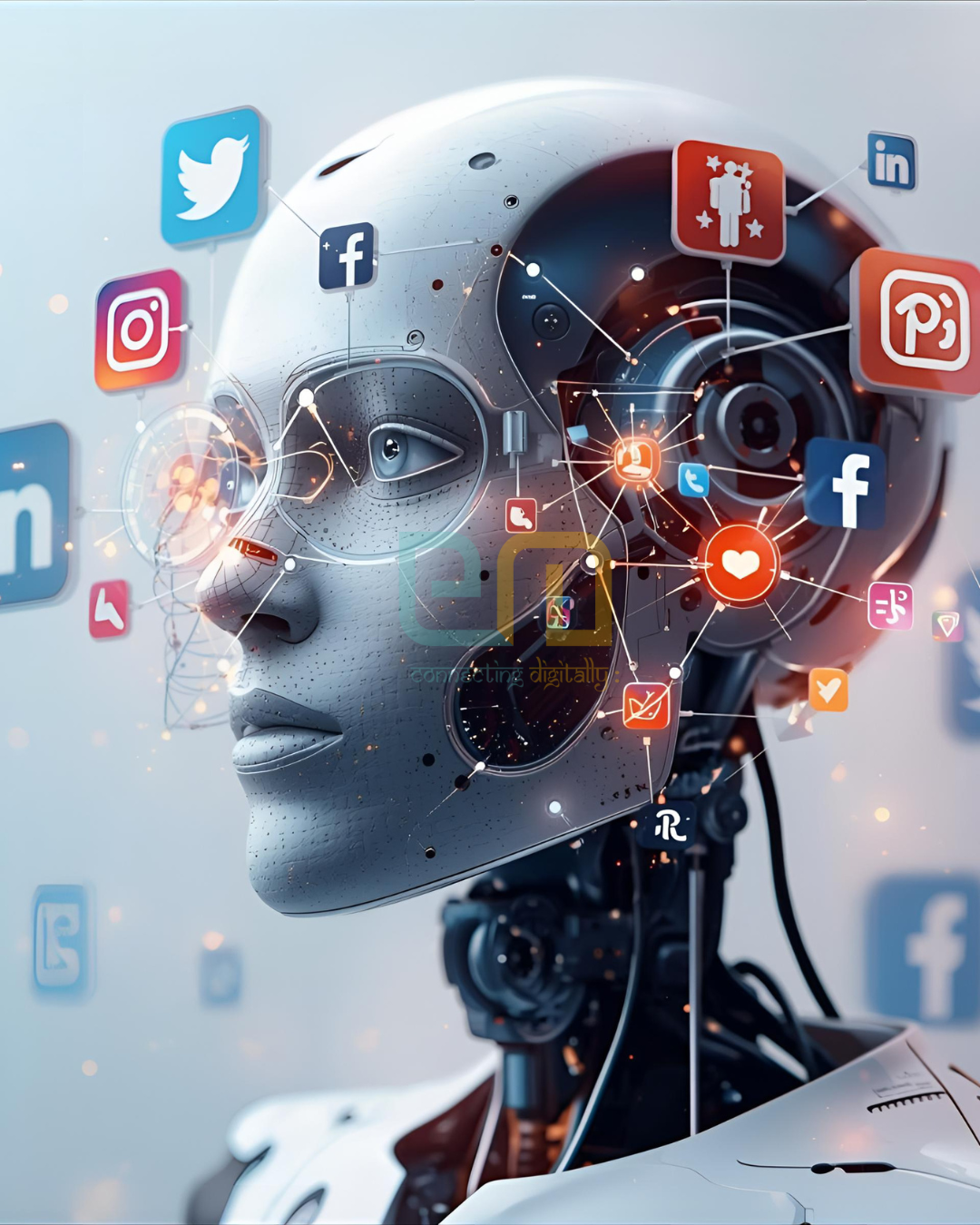

Social media is the digital heartbeat of our time—shaping opinions, trends, and even politics. As we step into 2025, artificial intelligence (AI) is playing a more powerful role than ever in how social media platforms operate. From personalized content generation to advanced moderation systems, AI is redefining the user experience while raising critical questions about trust and transparency.
1. AI-Powered Content Creation
Generative AI tools are now deeply integrated into social platforms. What once required skilled designers, editors, or marketers can now be done instantly with AI.
- Automated Video & Image Generation: Platforms like TikTok and Instagram are experimenting with AI-driven video editing that turns text prompts into full-fledged reels.
- Smart Captioning & Hashtags: AI suggests captions, trending hashtags, and posting schedules tailored to audience engagement.
- Hyper-Personalized Content: Brands can generate personalized posts for different audience segments, making social campaigns more effective.
For creators, AI is not just a tool—it’s a collaborator.
2. AI in Content Moderation
With billions of daily posts, manual moderation is impossible. AI is now the backbone of ensuring safe online spaces.
- Real-Time Hate Speech Detection: AI systems can flag offensive or harmful content in seconds, preventing viral spread.
- Deepfake Identification: New AI models can analyze content and detect AI-generated videos or manipulated media with higher accuracy.
- Cultural & Contextual Understanding: Moderation is becoming smarter, accounting for language nuances, local slang, and cultural differences.
In 2025, AI is bridging the gap between freedom of expression and platform safety.
3. The Rise of AI Influencers
Beyond moderation and support, AI itself is becoming a content creator.
- Virtual Influencers: Entirely AI-generated personalities are running Instagram accounts, posting content, and engaging with followers.
- Brand Partnerships: Companies collaborate with AI influencers for marketing campaigns, as they provide consistent engagement without human limitations.
This trend raises questions: can audiences trust AI personas the same way they trust human creators?
4. Balancing AI with Human Oversight
Despite its advancements, AI is not flawless. False positives in moderation, biased training data, and ethical concerns remain challenges.
- Platforms now combine AI efficiency with human review, especially for sensitive topics.
- Transparency reports and AI disclosure policies are being introduced to maintain trust.
5. The Future: AI as a Social Media Architect
Looking ahead, AI will do more than create and moderate content—it will shape entire social ecosystems:
- Personalized feeds designed by AI agents that understand user values and goals.
- AI-driven communities that connect people based on shared experiences and behaviors.
- Predictive algorithms that help brands anticipate trends before they happen.
Conclusion
In 2025, AI is no longer just behind the scenes of social media—it is front and center, influencing what we see, share, and believe. Content creation has become faster and smarter, while moderation is more nuanced and effective.
The real challenge lies in ensuring that AI enhances social connections rather than distorts them. For businesses, creators, and users alike, the future of social media will depend on how well we balance innovation with integrity.